22 May 2026
Elephant Nature Park: For elephants, not entertainment
Elephants deserve respect
Elephants are among the most intelligent creatures on the planet, but that doesn’t mean we always treat them well. Fortunately their situation is improving, thanks to sanctuaries like Elephant Nature Park in Chiang Mai.
In this blog post you’ll understand why elephants need sanctuaries, the potential harm of elephant tourism and why Elephant Nature Park is one of the best places an elephant can be. You’ll also see why this sanctuary receives an outstanding score on our travel rating tool, KindScore.
The park’s oldest elephant
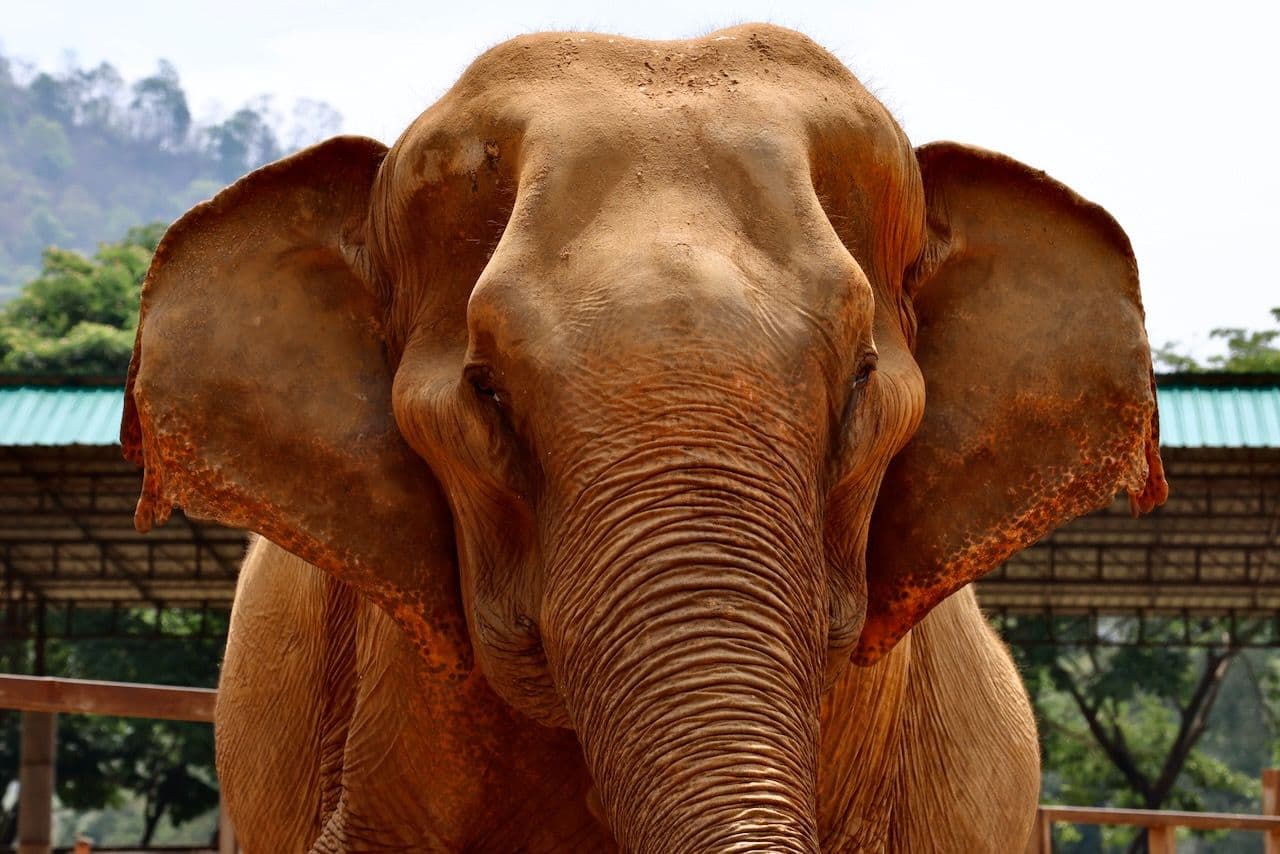
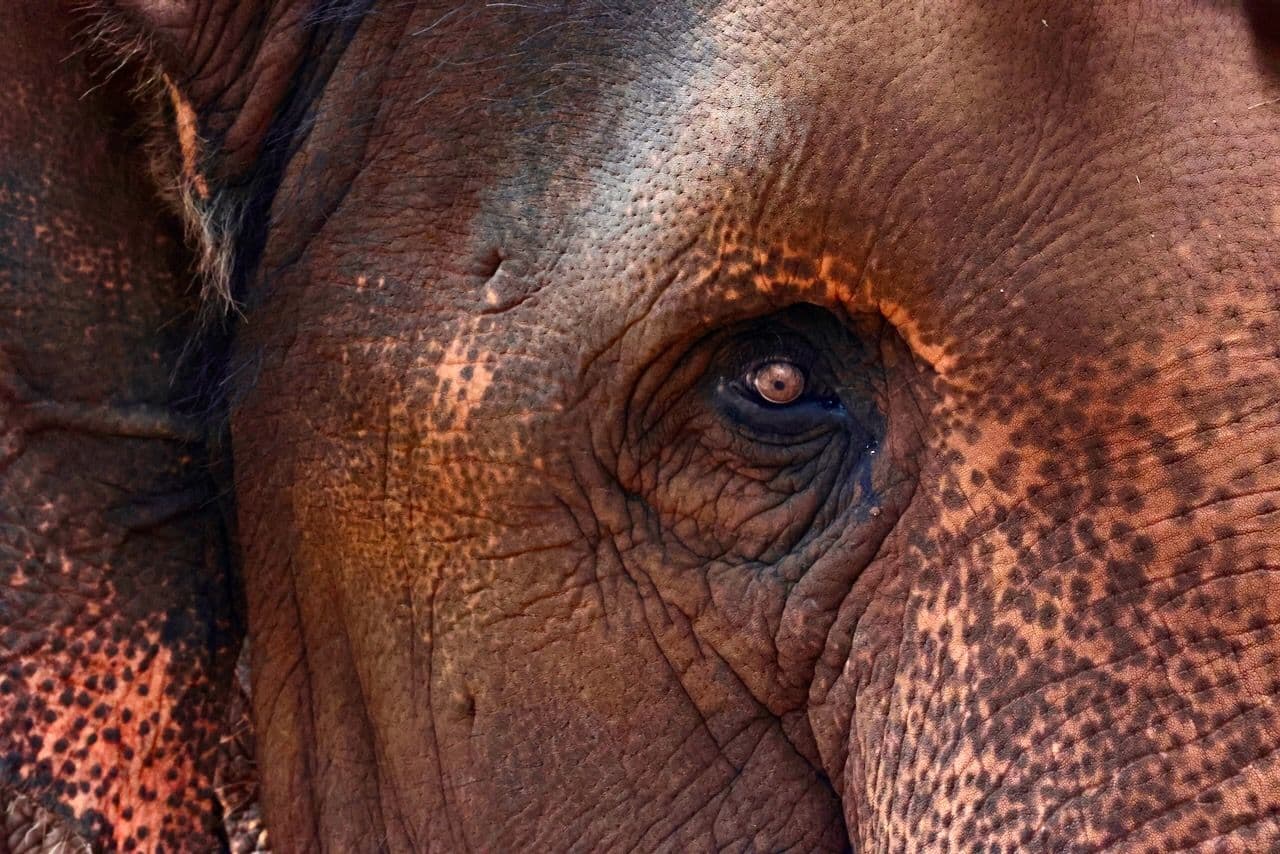
Elephants understand, remember and form relationships in a similar way to humans, which can be very positive or very negative depending on how they’re treated. This is “SomBoon” who is the oldest elephant at the sanctuary. She was rescued after decades working in the logging industry, and later giving rides to tourists. She’s around 90 years old and suffers from PTSD from her past abuse, so has her own area of the park, with her own shelter, mud bath and food, which our guide described as a 5 star elephant hotel.
From tourist camps to sanctuaries
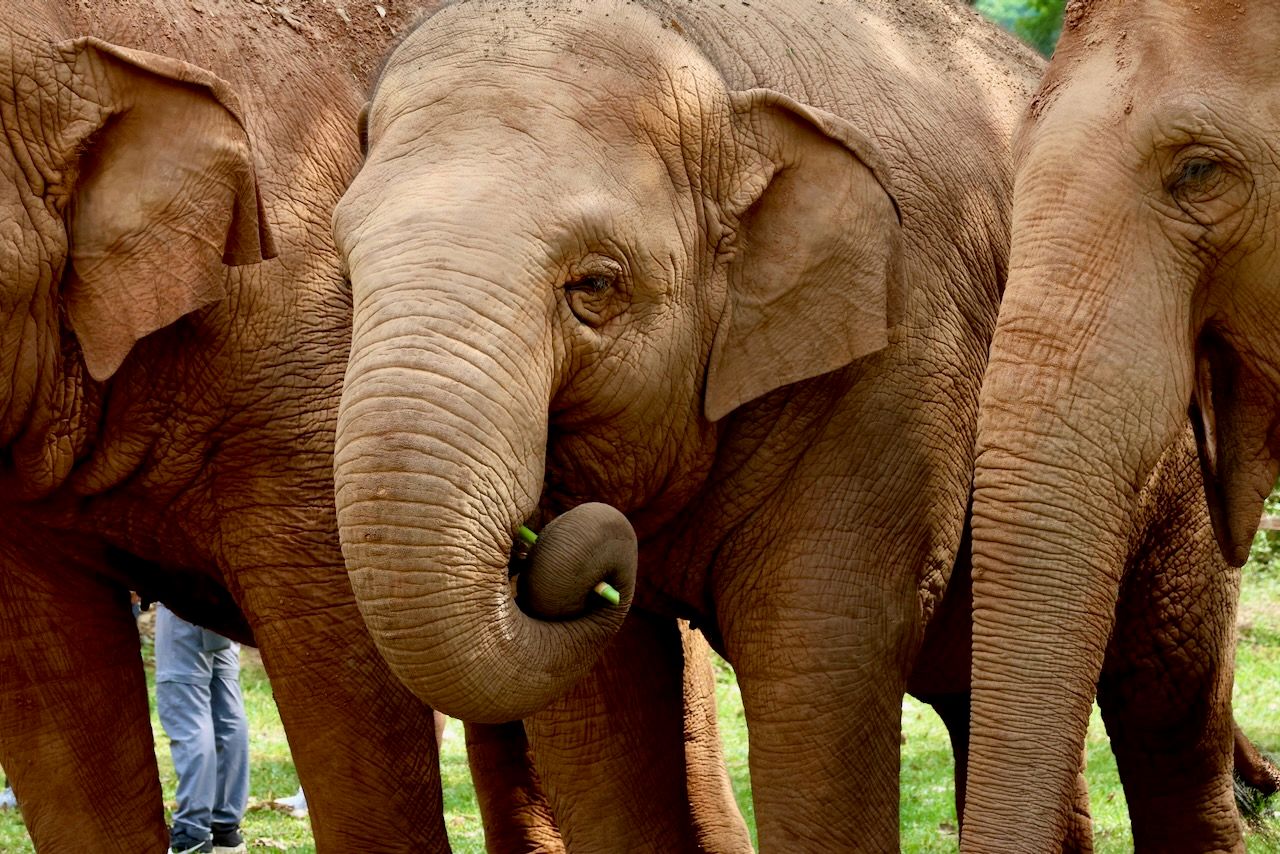
Elephants like SomBoon were used for labour because of their immense size and strength, although Thailand banned their use in logging in 1989. Since then, many elephants were moved to the tourism industry in camps where tourists can ride, touch, bathe and feed them. Sanctuaries like Elephant Nature Park are created to rescue the elephants from these conditions and give them a safe home, where tourists can observe the rescued elephants, young and old, living out the rest of their days in peace.
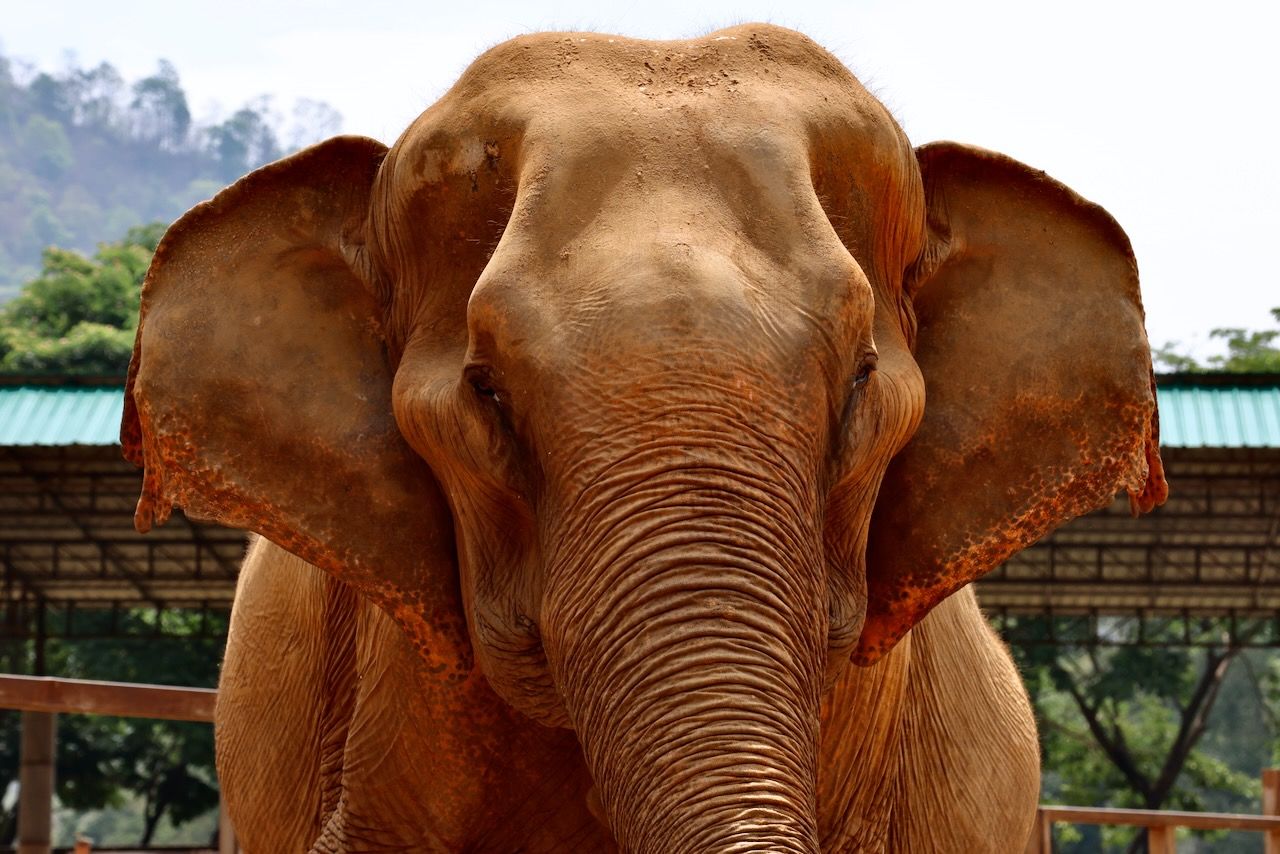
If a camp allows visitors to touch, wash or feed elephants at set times, it’s likely because they’ve trained the elephants for these routines, which is against their nature and may have involved harmful training techniques such as hooks in their ears to control them. This isn’t something the tourists will necessarily see, but you can tell if the elephants appear happy, or are forced to do certain things at certain times.
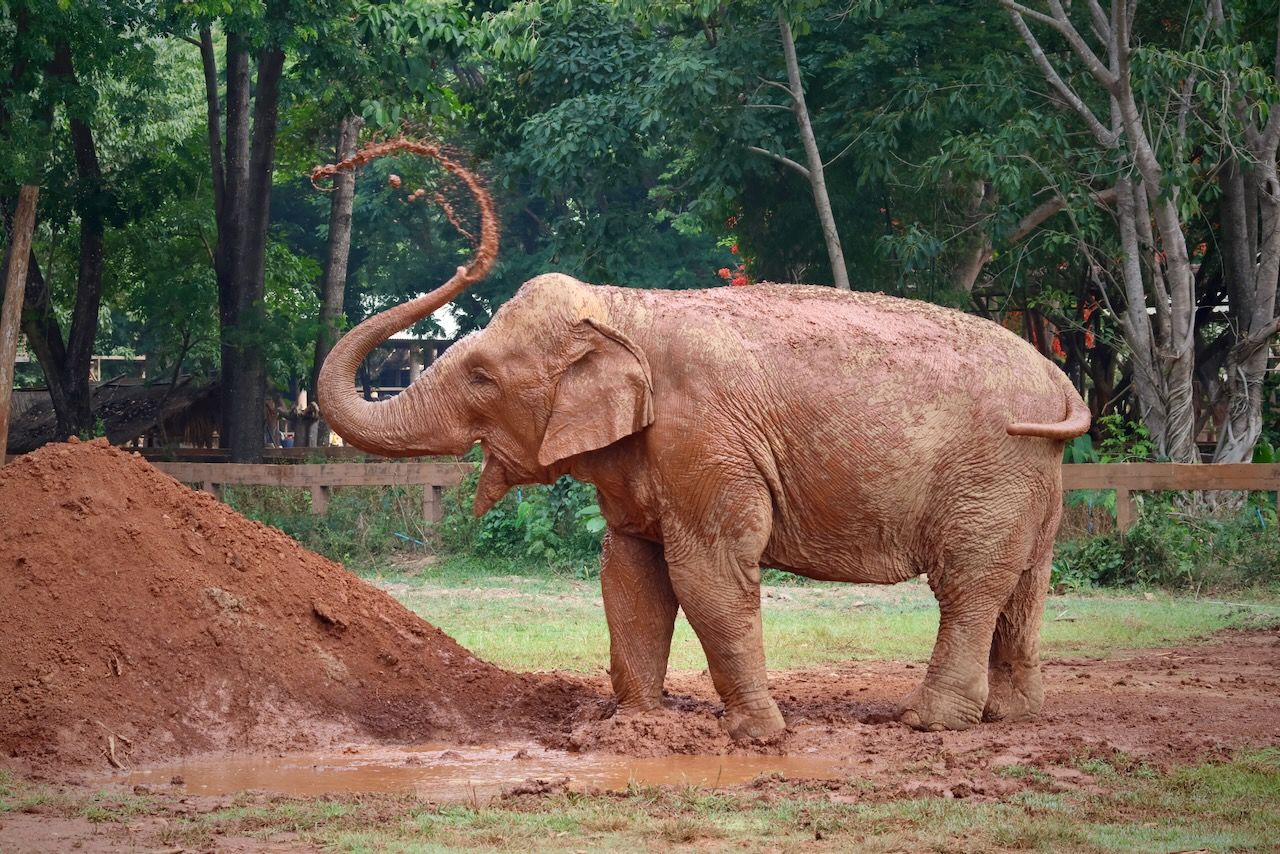
Healthy elephants are happy elephants
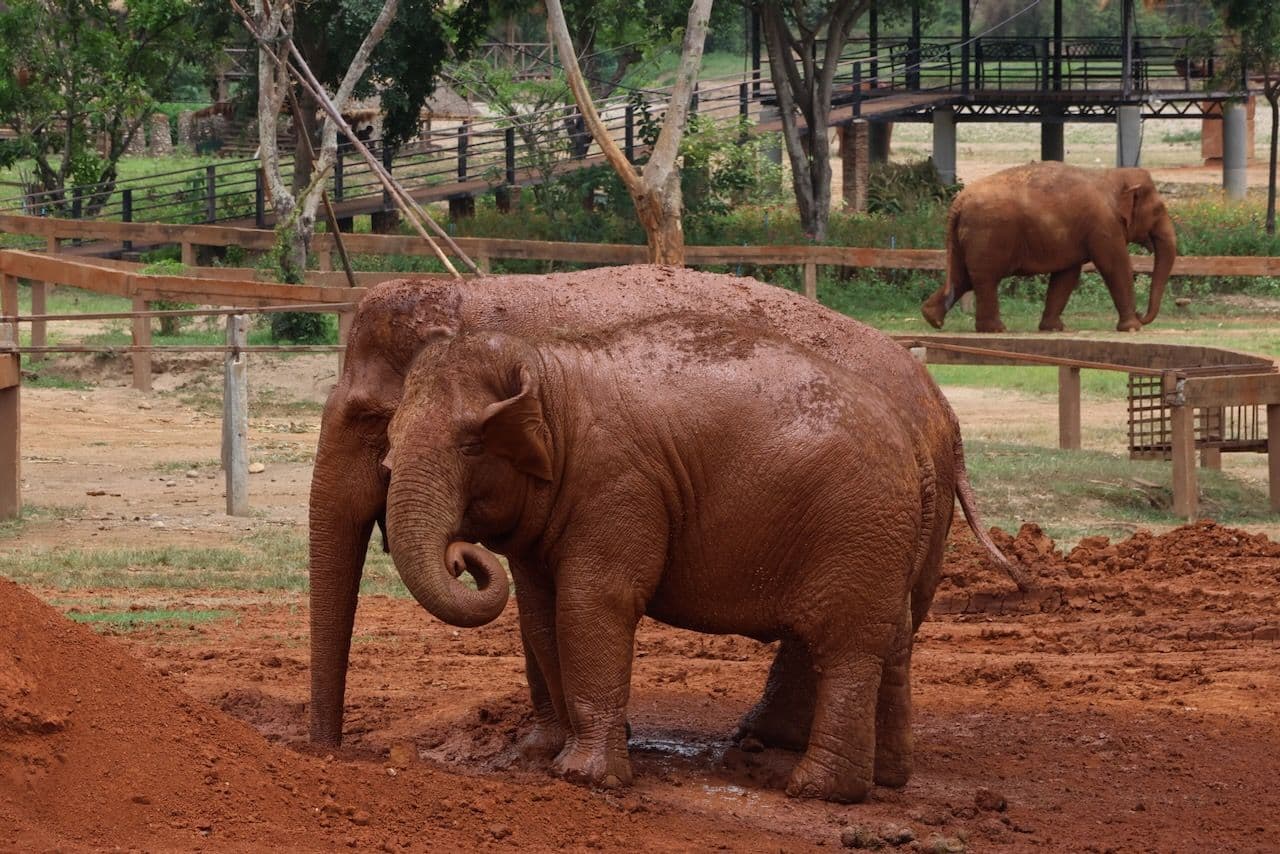
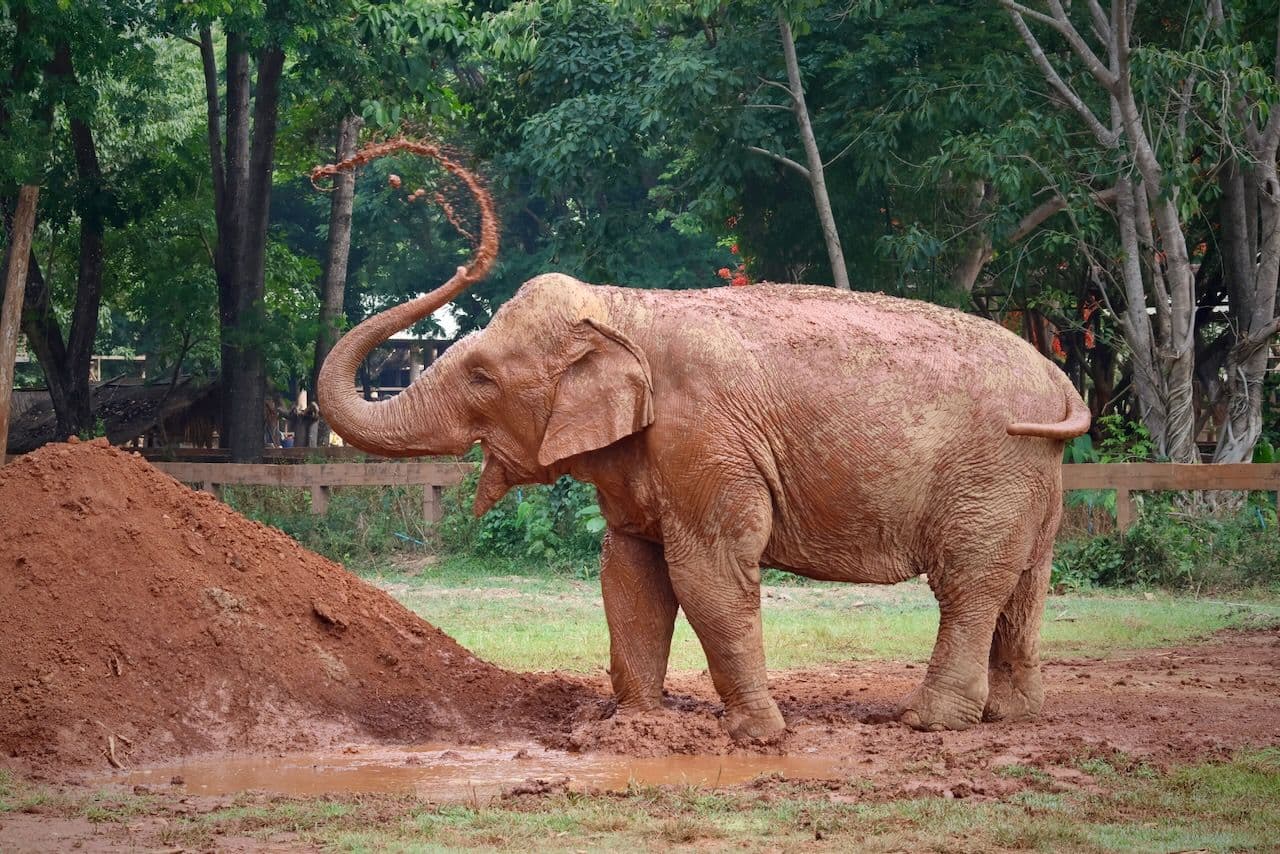
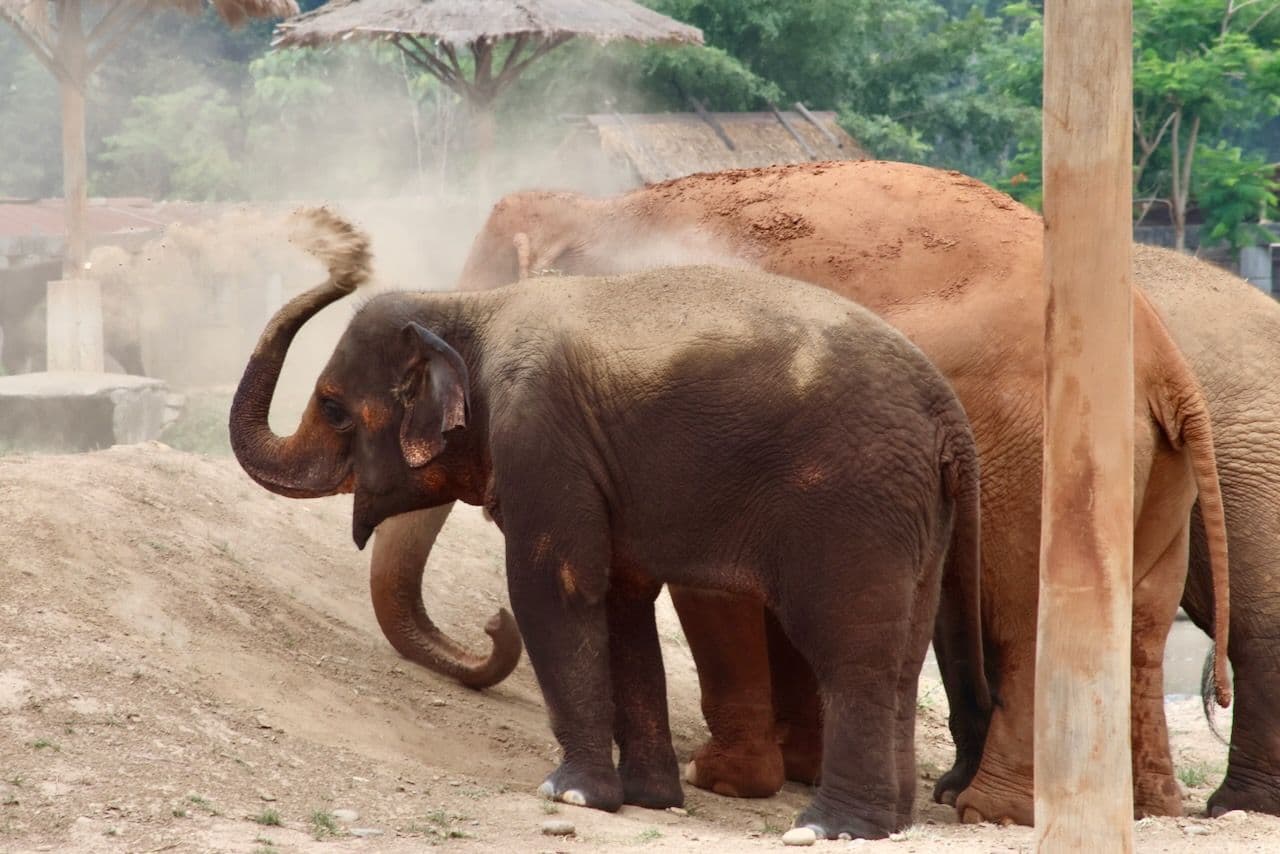
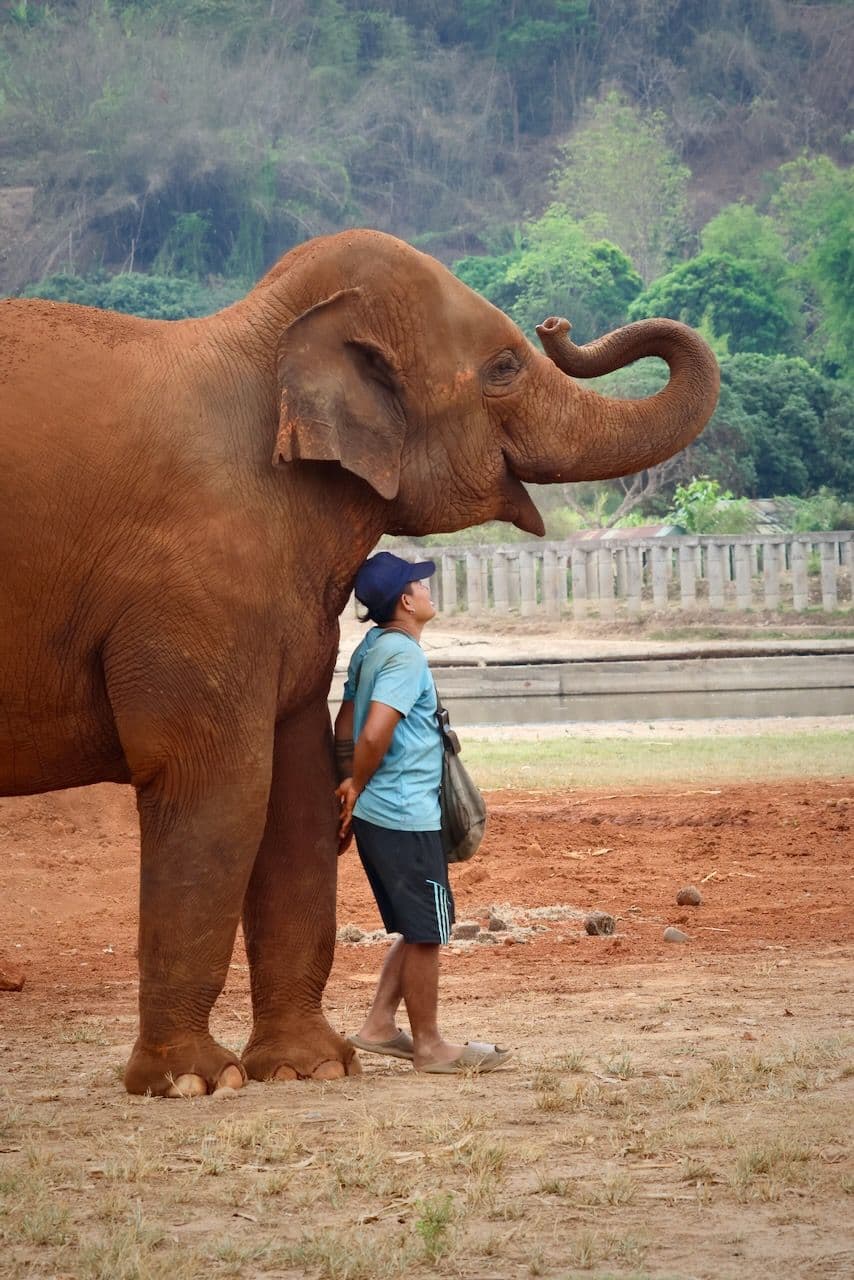
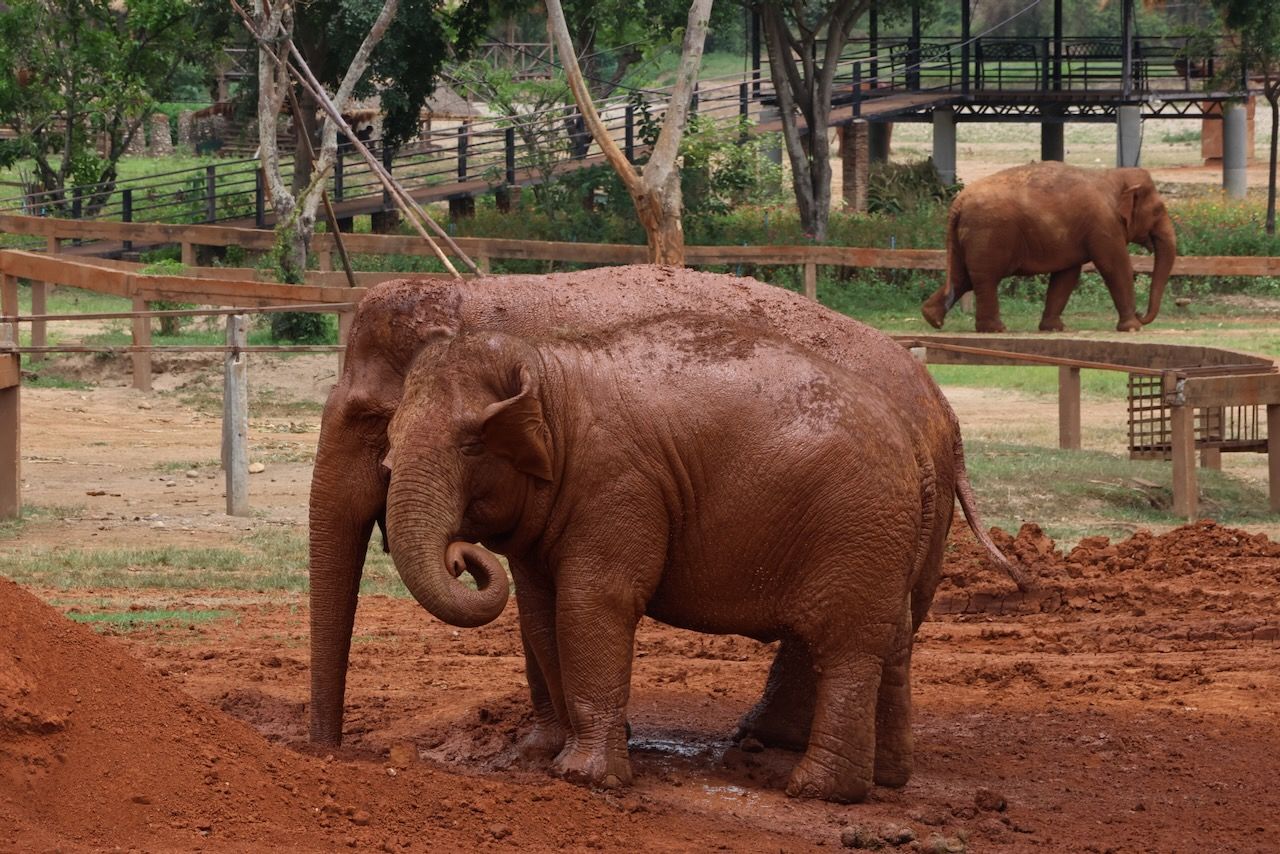
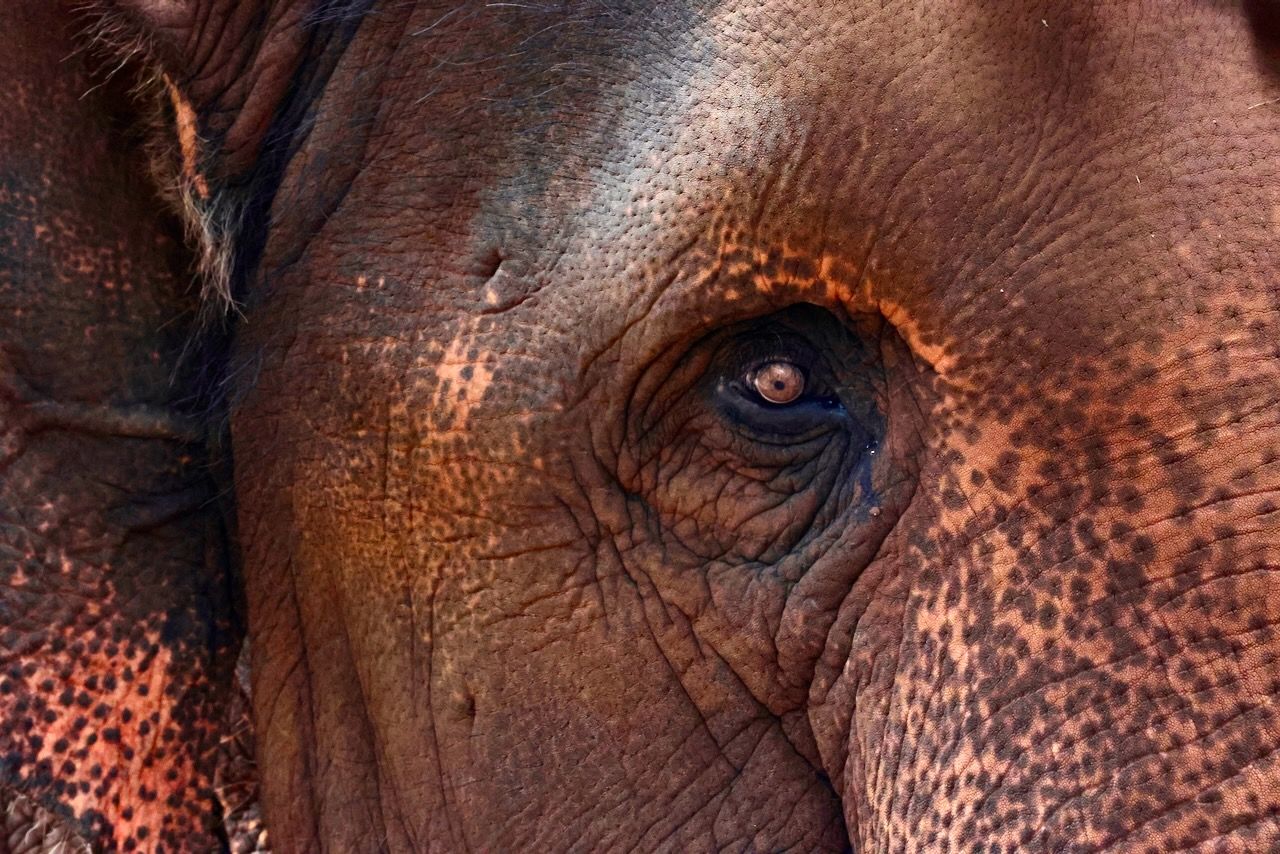
You might have noticed that a lot of the elephants in my photos appear red. This isn’t their actual skin colour - they throw dirt over themselves, which helps to cool them and acts as a natural sunscreen.
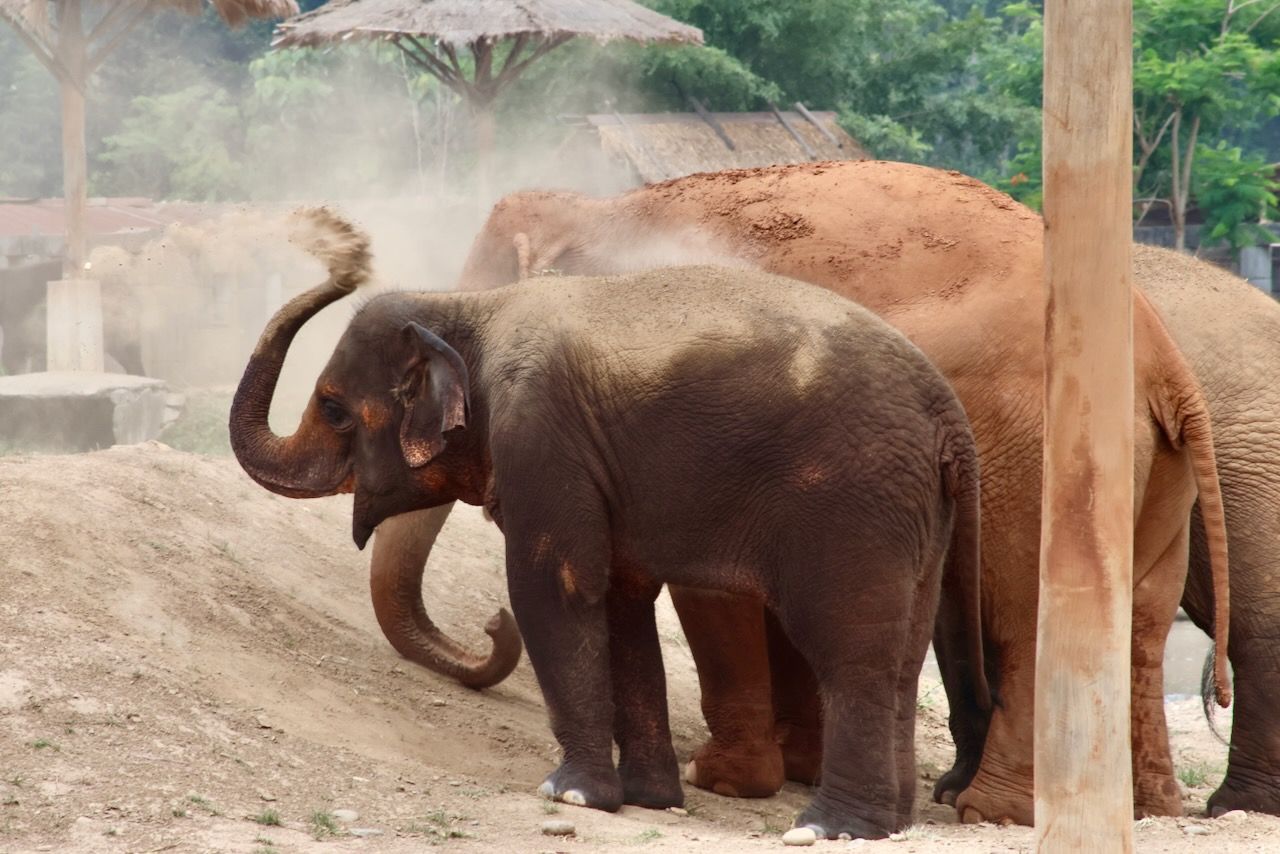
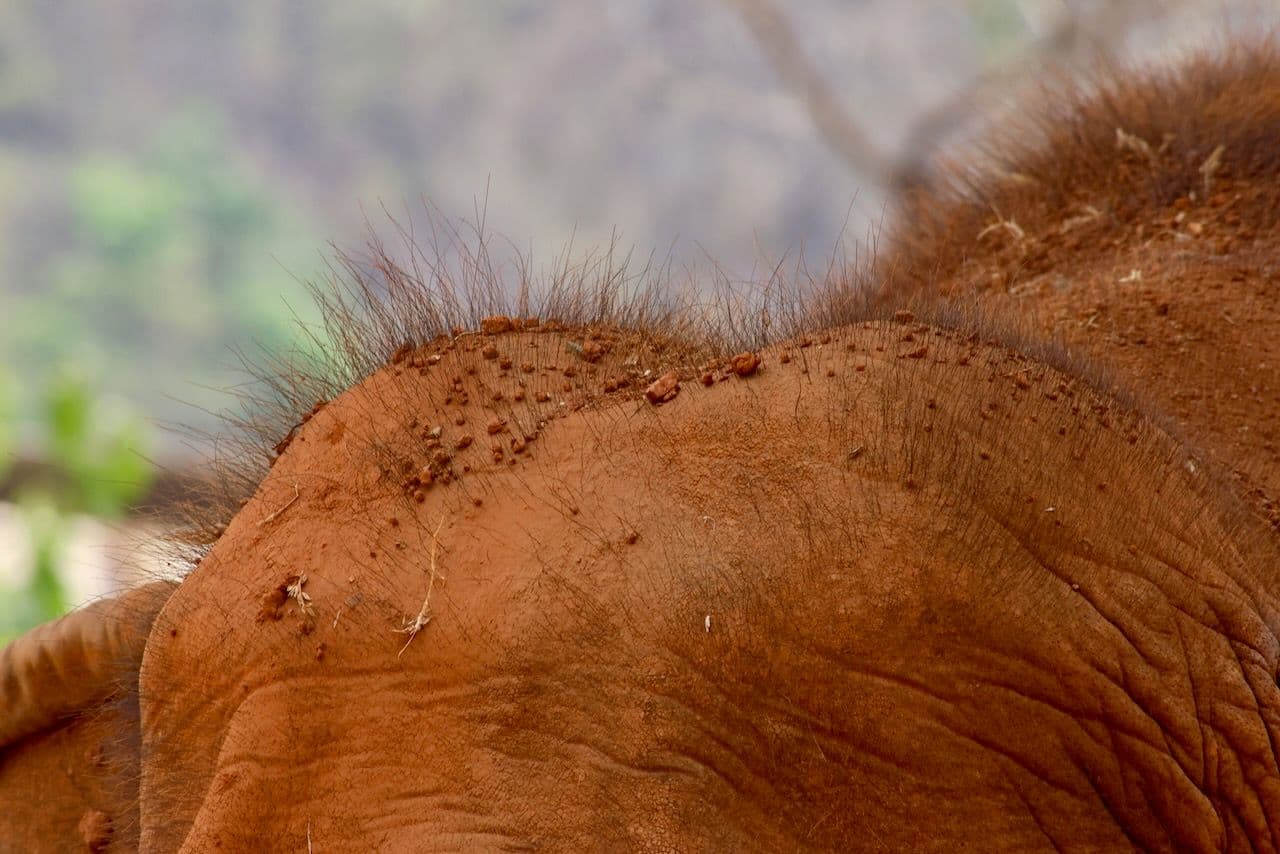
You can see how much mud is on top of this elephant’s head. This is another reason why letting tourists wash elephants constantly throughout the day isn’t actually what’s best for them. Elephant Nature Park doesn’t allow tourists to wash the elephants - it’s a place built for the elephants, not for the tourists.
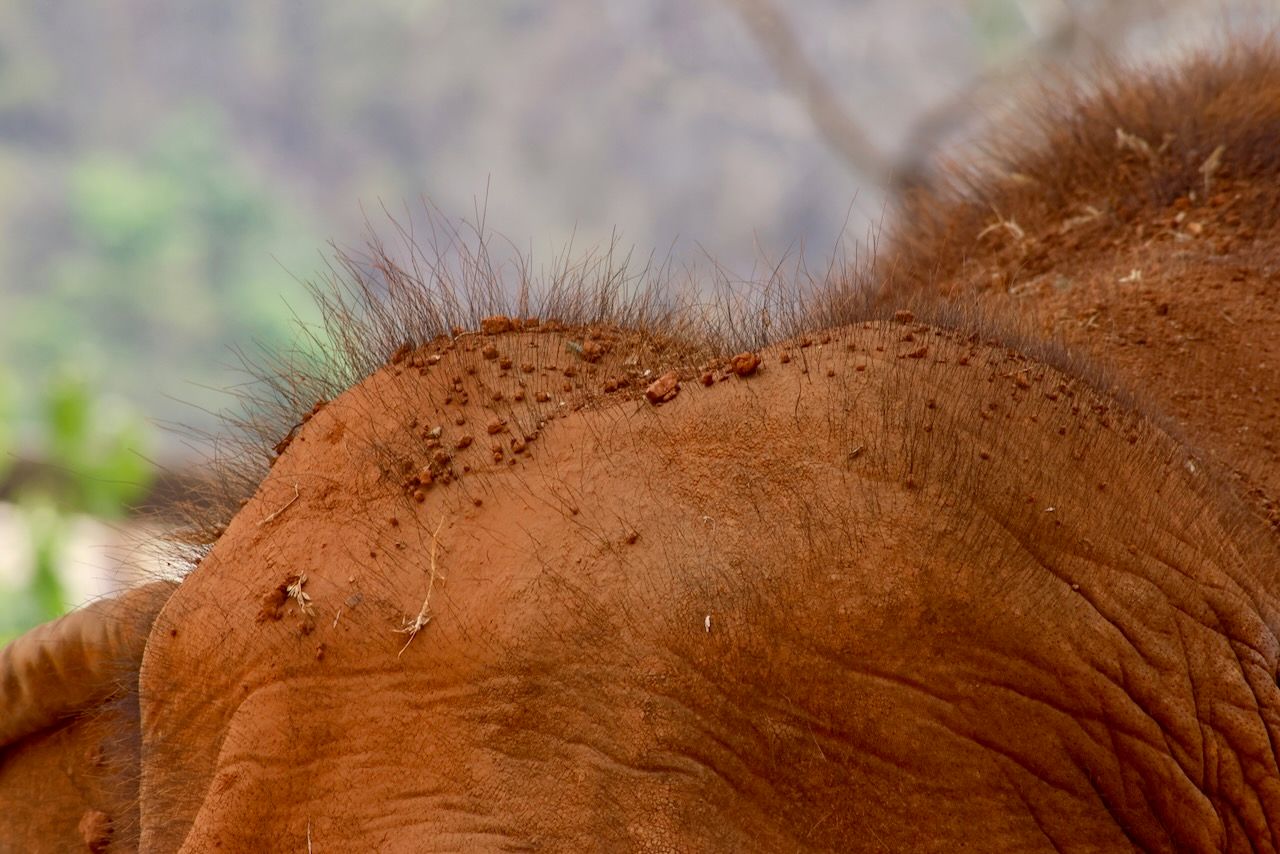
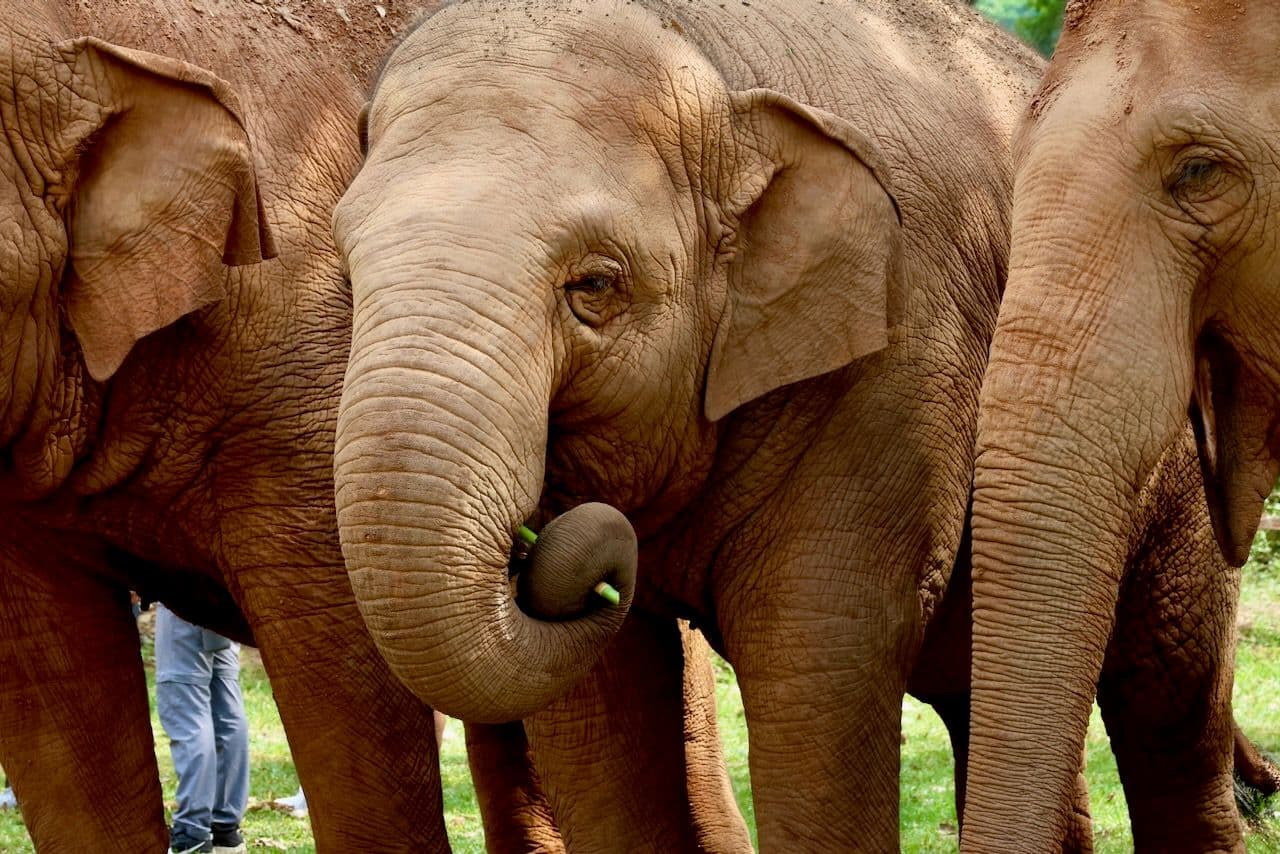
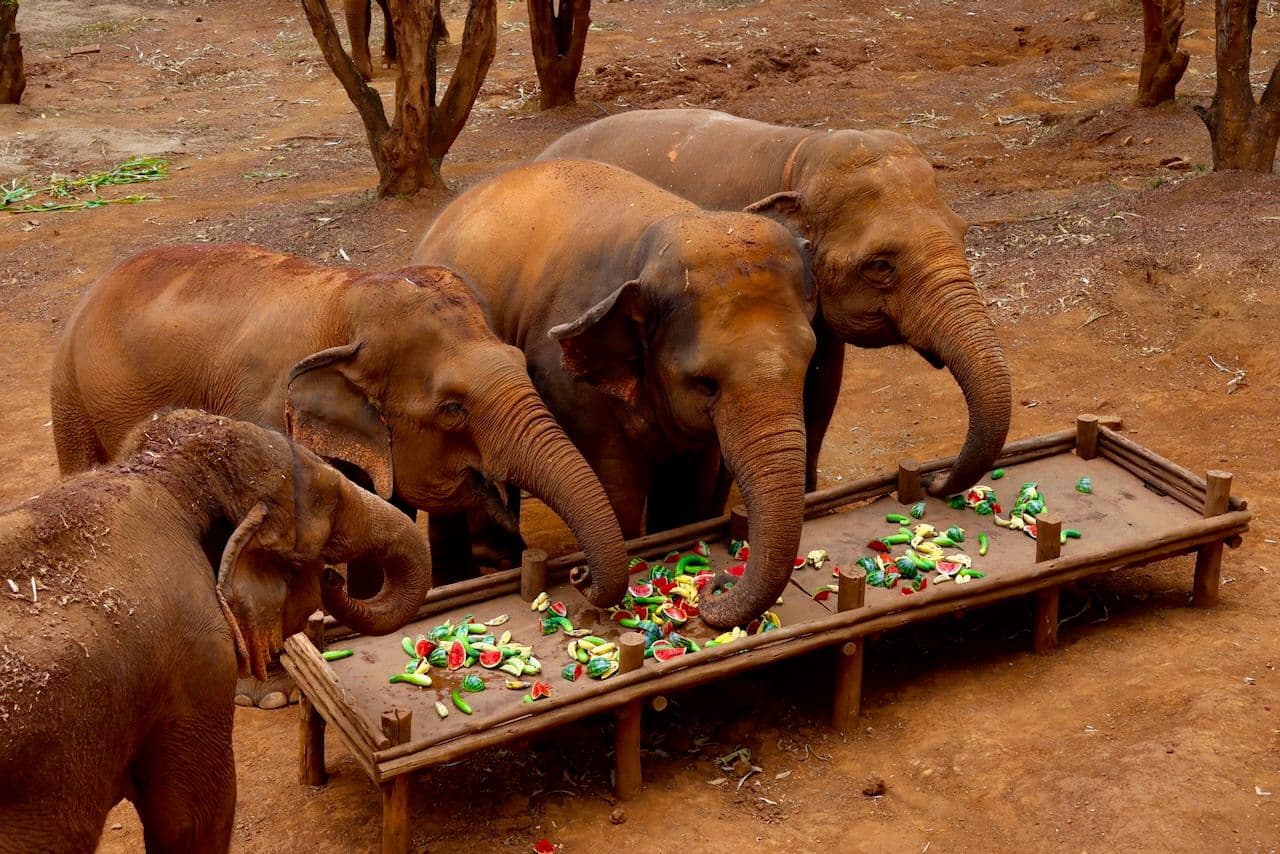
Elephants naturally spend from 12 to 19 hours a day eating, and in that time can consume over 200kg of food. While a lot of this is grasses and leaves, they also love fruits as snacks. While you can’t directly feed the elephants at this sanctuary, we were able to prepare a snack for them, filling up buckets of cucumbers, bananas and watermelons - they didn’t let a single fruit go to waste.
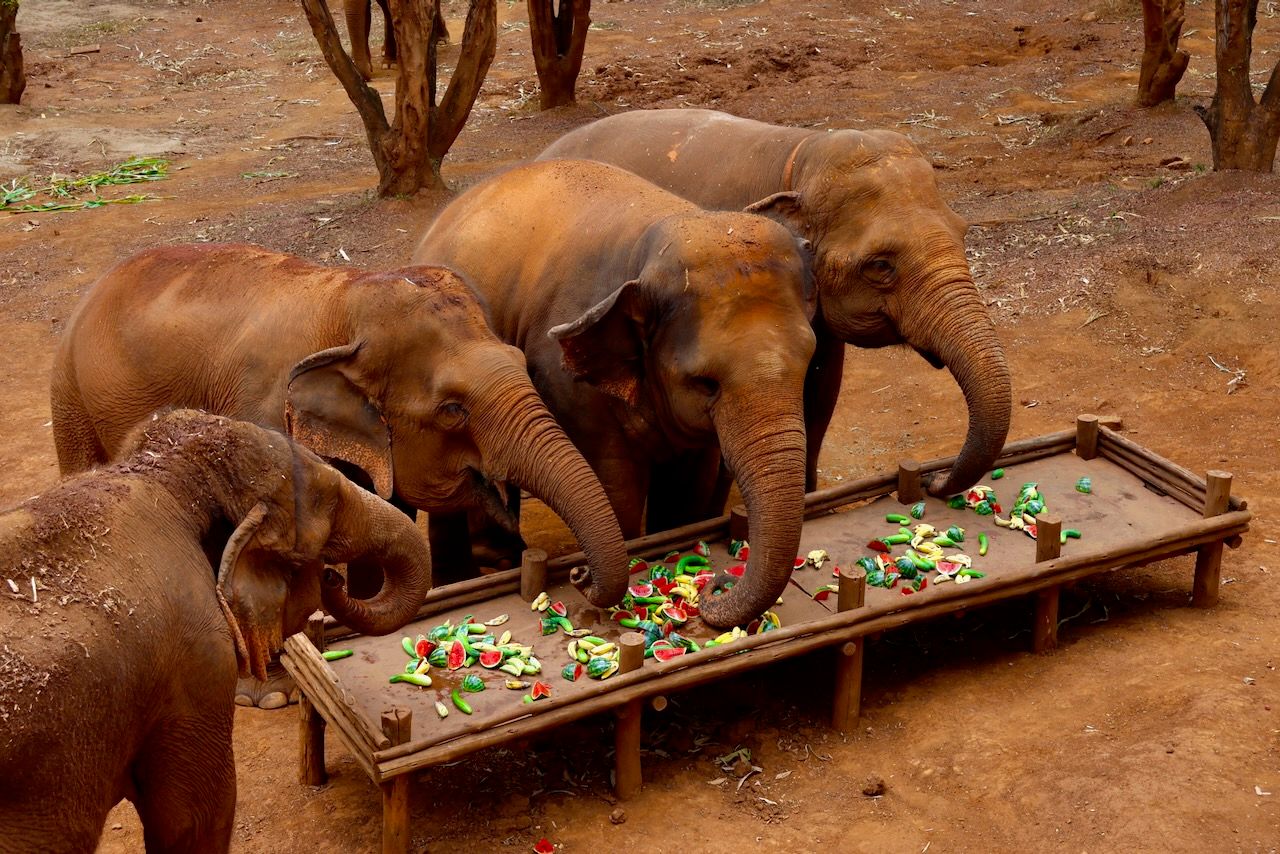
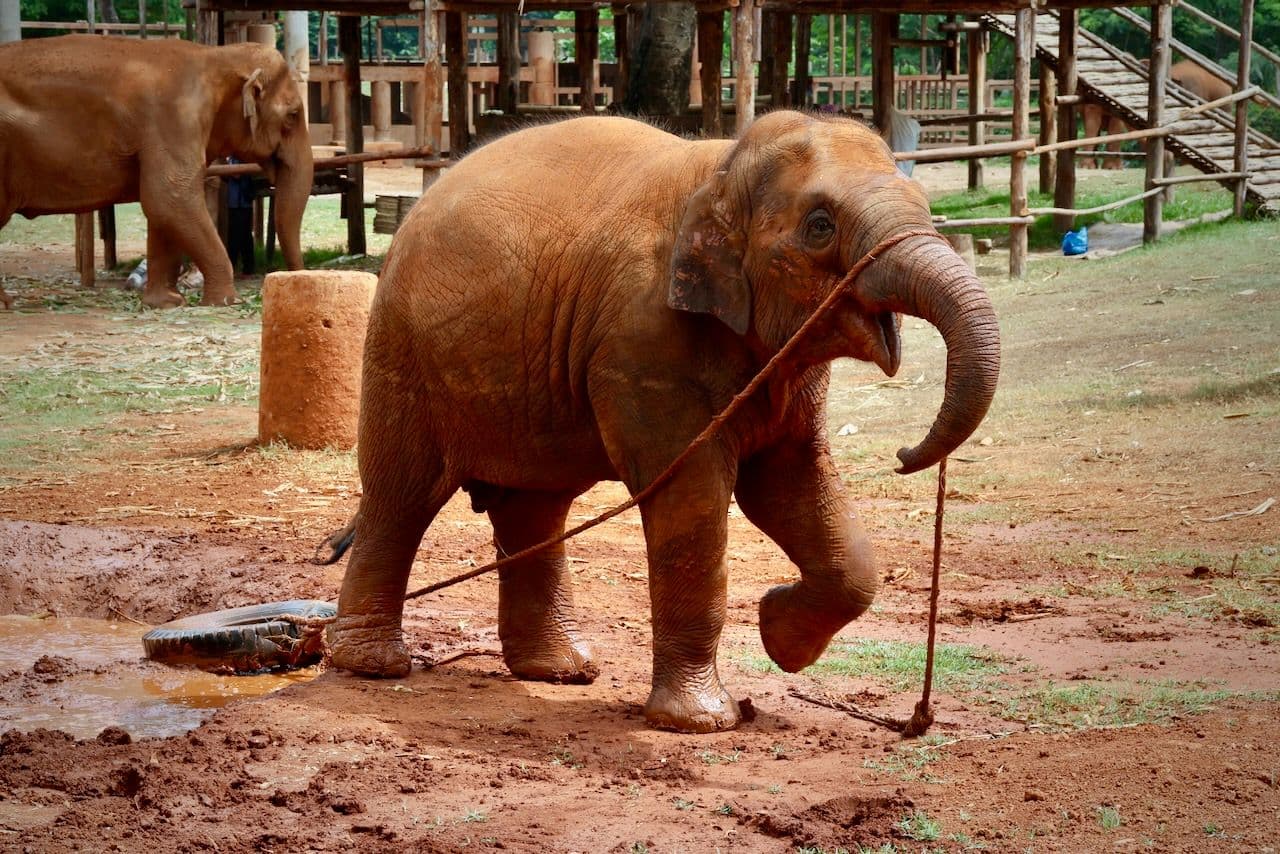
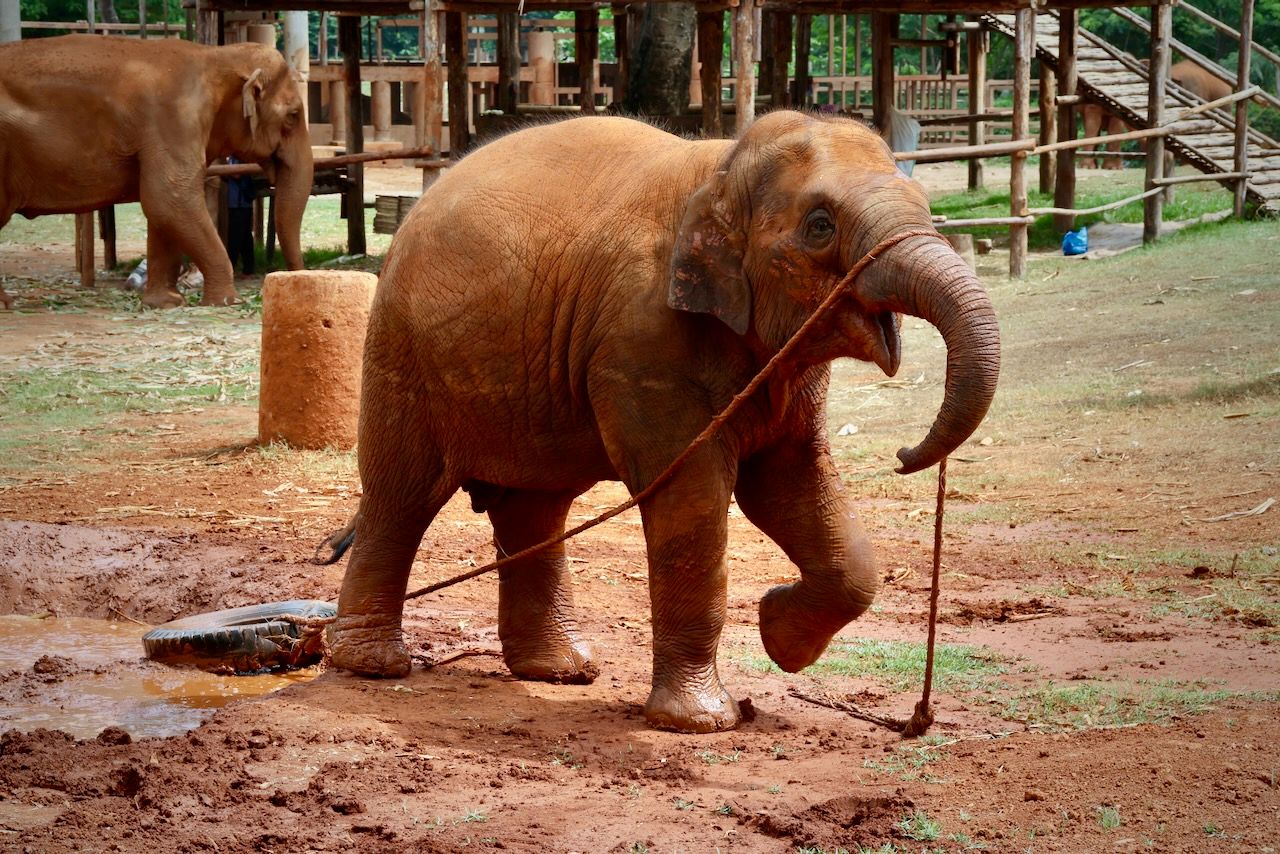
It’s important for elephants to be entertained, especially the babies. Did you know elephants wag their tails when they’re happy, just like dogs? We saw that with this baby elephant, who was playing with one of its favourite toys - a tyre on a rope.
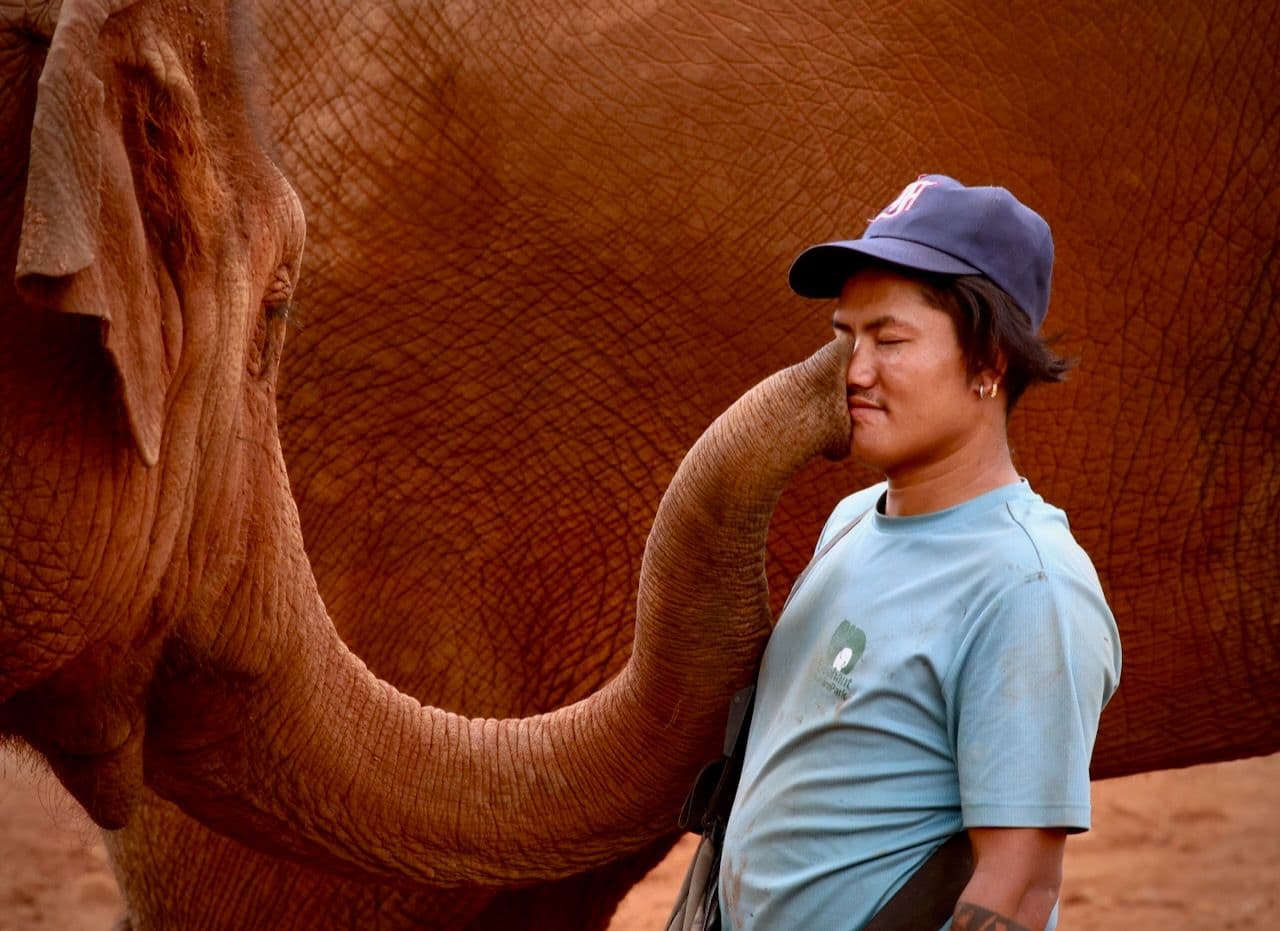
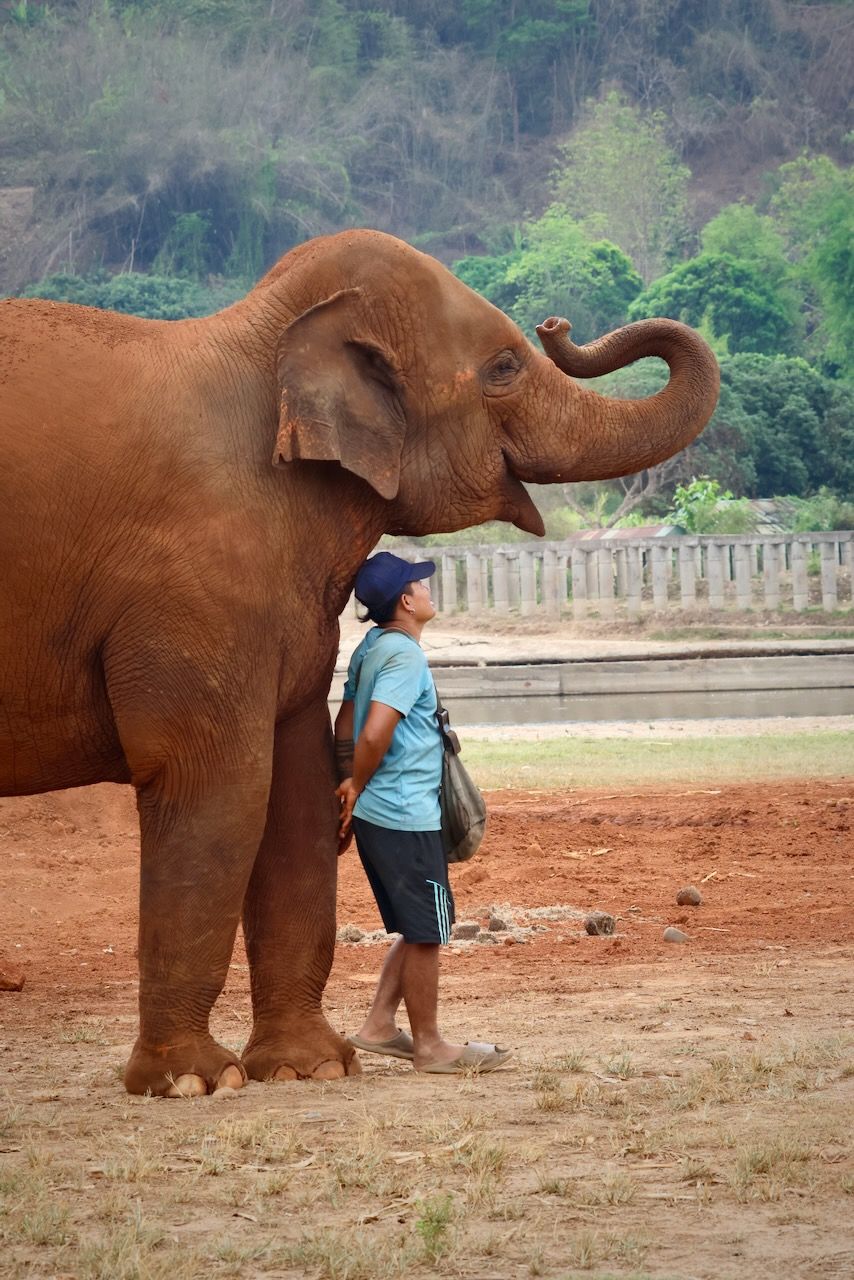
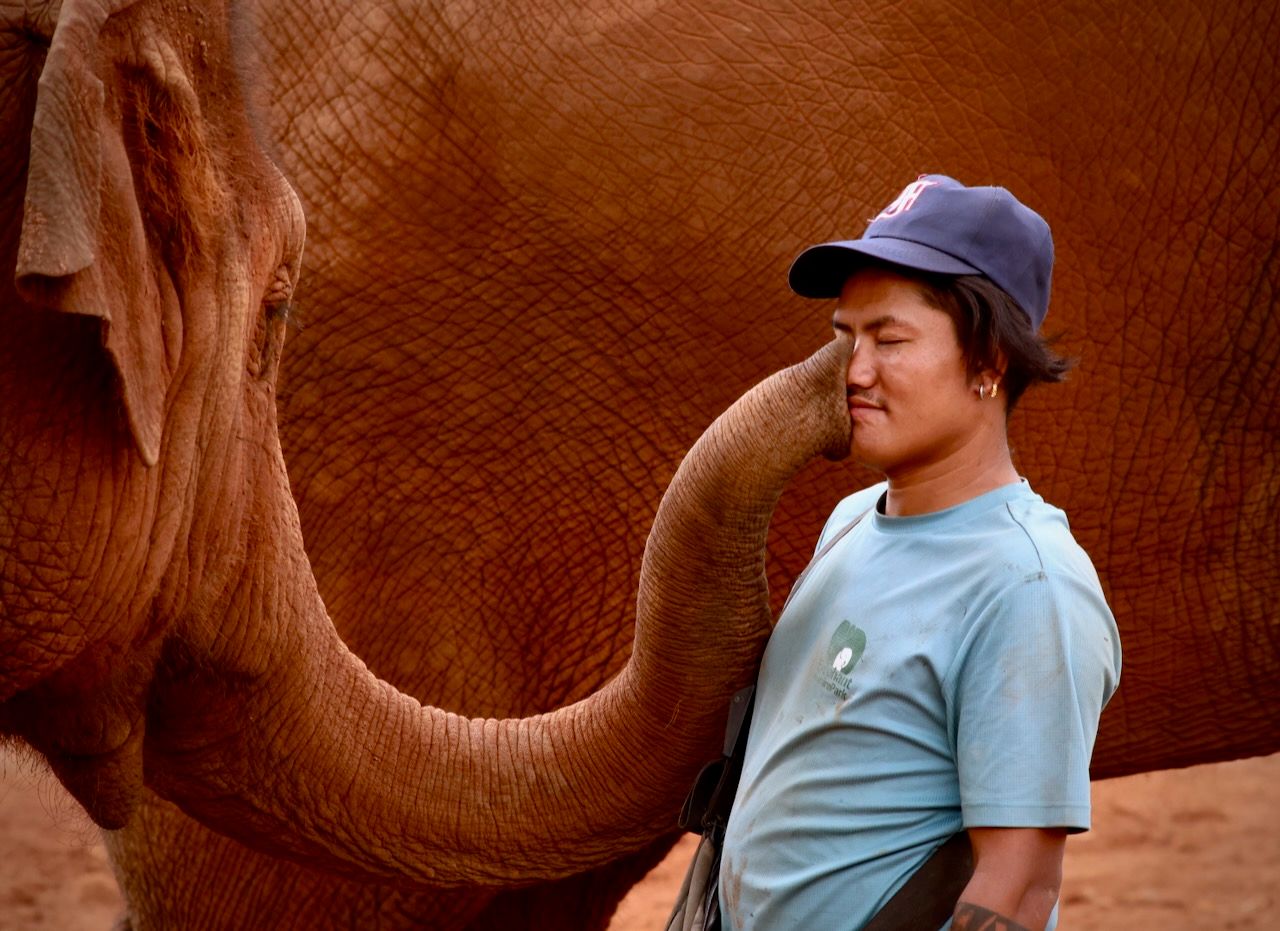
As well as entertainment, elephants are social animals that value companionship. Many of the elephants in the sanctuary wander around in their friendship groups, and every elephant has its own mahout - a human carer - many of whom stay with the same elephant for years and form a strong bond.
What makes Elephant Nature Park one of the best?
This sanctuary is rated as the most ethical of its kind in Thailand, and has been rescuing elephants from abuse in logging camps and tourist traps for over 20 years. The point of a sanctuary like this is to let the elephants live as naturally as they want, and the tourists are simply there to observe them - not to touch, wash, or feed them. The park has gained international recognition for its outstanding treatment of its residents, and has even had celebrity visits from the likes of Coldplay, Leonardo DiCaprio, Brad Pitt and Angelina Jolie.
Beyond elephants: rescued cats, dogs and oxen
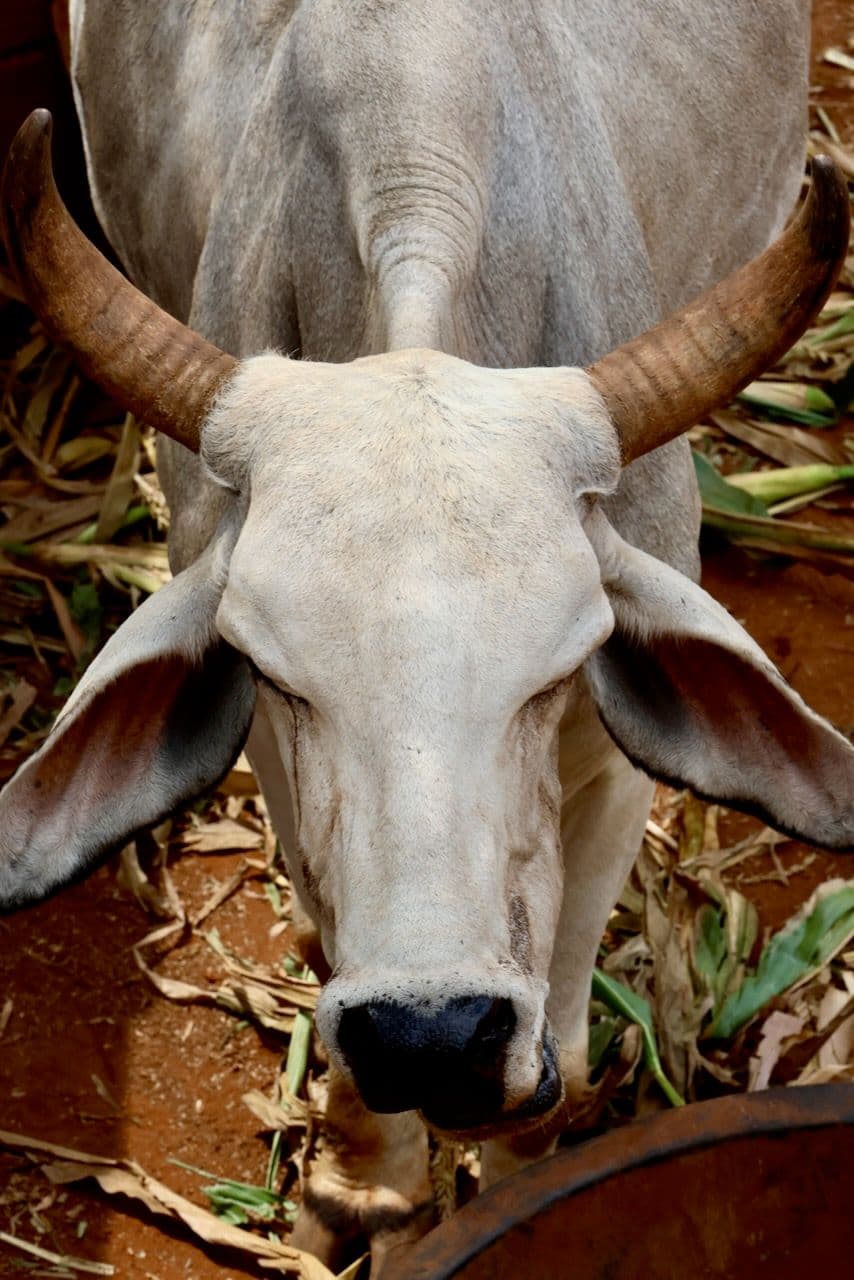
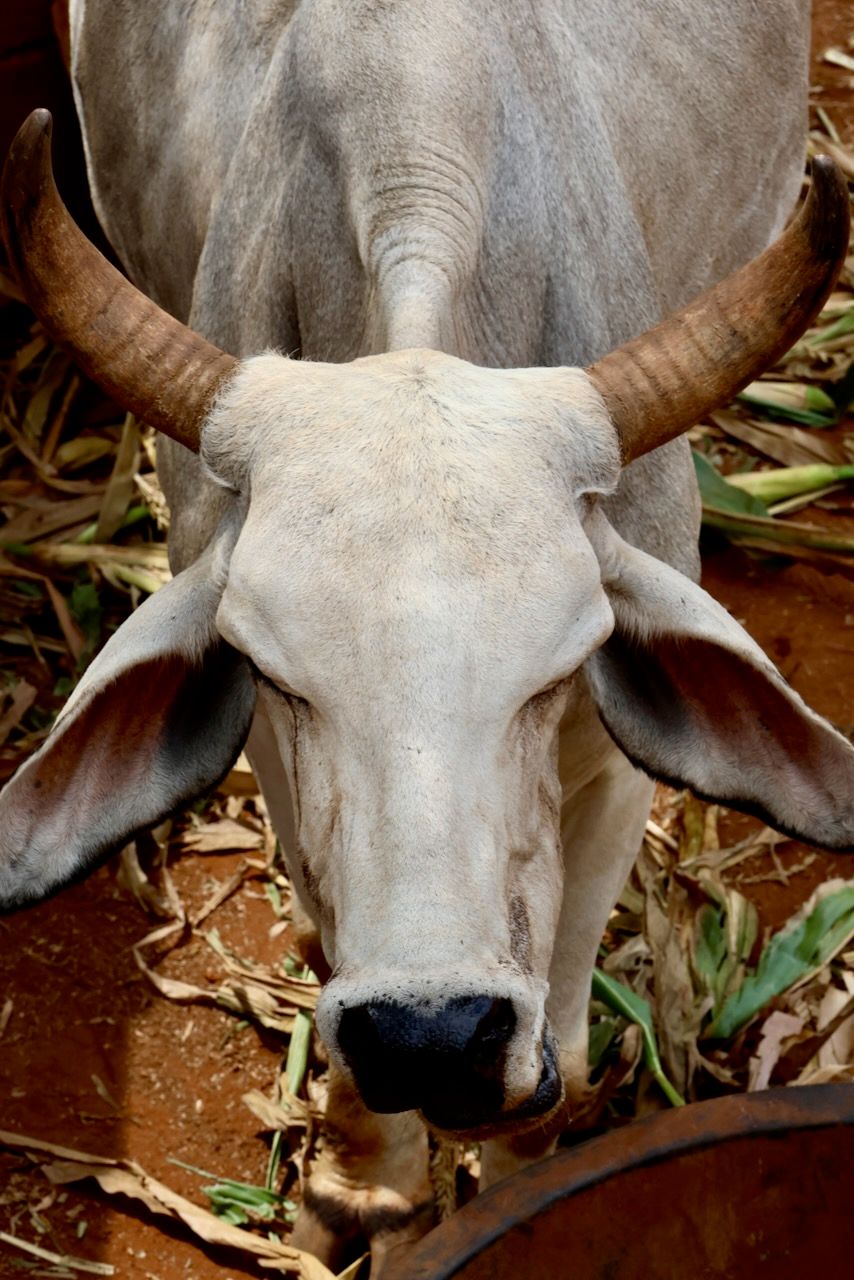
While the elephants are obviously the main reason Elephant Nature Park was founded, they also rescue other animals, including oxen, dogs and cats. It’s fascinating to see these animals interacting calmly, such as oxen and elephants contently sharing food.
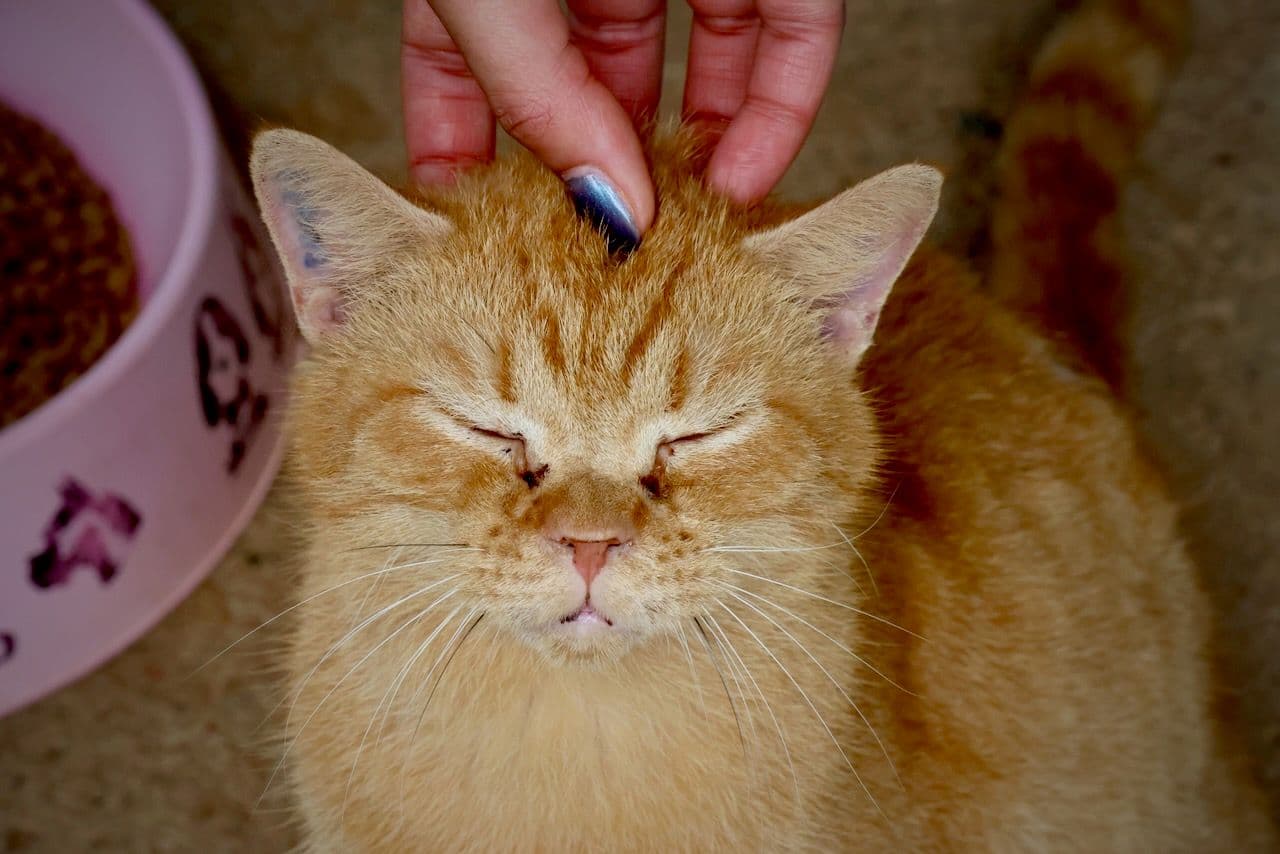
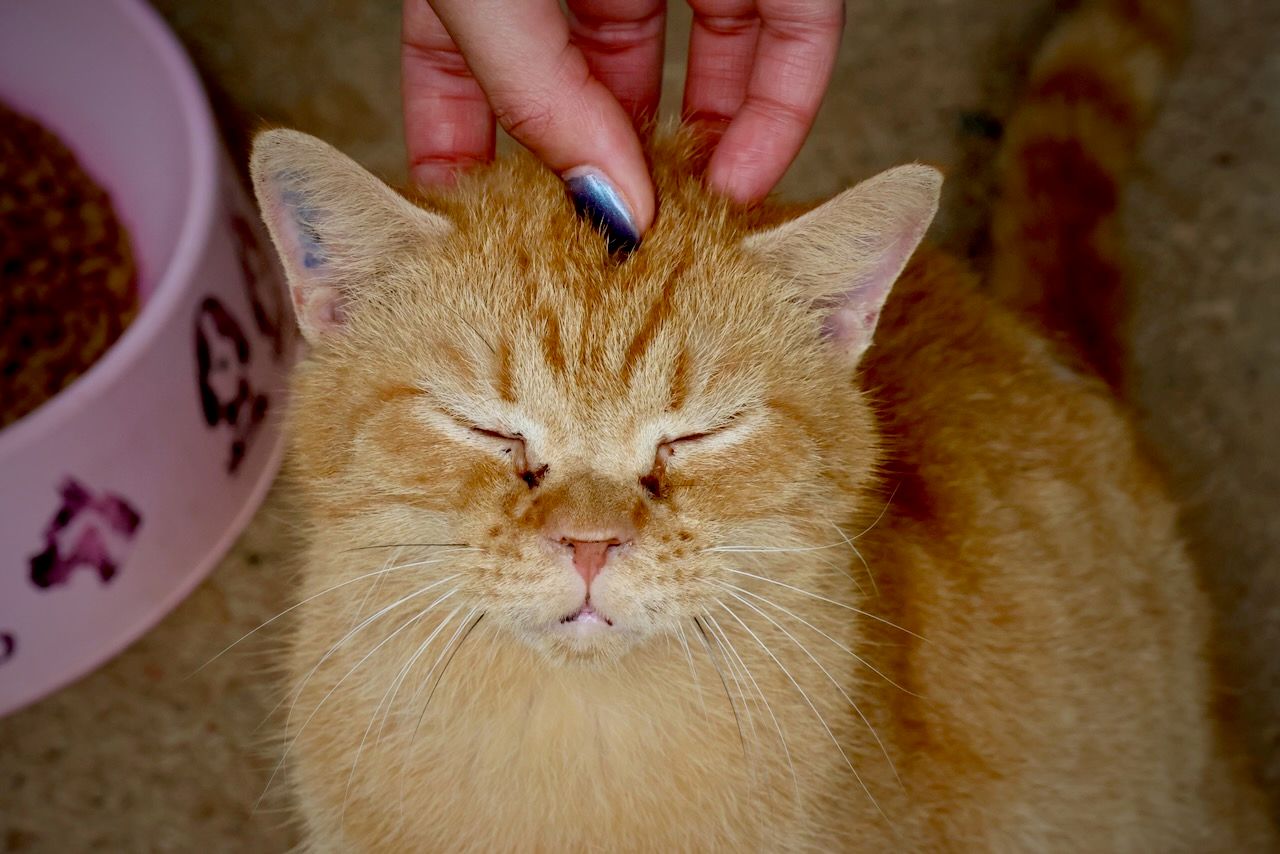
They had a dedicated area for the cats, full of climbing posts, food bowls, beds and water features, with hundreds of cats roaming freely and happily together. Some of them were particularly keen for attention, following us around and meowing until we stroked them.
Ethical elephant park checklist
Elephant Nature Park was an absolute pleasure to visit. There are other ethical elephant sanctuaries in Thailand and across Asia, but it can be tricky to know what’s truly “ethical”, so here’s a few quick tips we learned from our day at the sanctuary:
• A “sanctuary” is set up to protect the elephants, whereas a “camp” is set up to provide entertainment or labour.
• If you can freely bathe, feed or touch the elephants, it’s probable they’ve been trained to accept this, potentially with cruel training methods.
• Holes or damage to elephants’ ears indicates that hooks have been used to train them - of course, you may see this in a sanctuary if they’ve been rescued from a camp.
• Read reviews, particularly the negative reviews, if you’re unsure - many tourists may not know what to look out for, but if there’s unethical practices, somebody will have noticed.
I hope you’ve enjoyed this in-depth blog post on Elephant Nature Park, and elephant sanctuaries in general.
Stay in the loop
Want to see future posts?
Drop your email and I'll send you a note whenever I publish something new.
Post Gallery