15 April 2026
Hanoi Part Two: Packed with culture and history
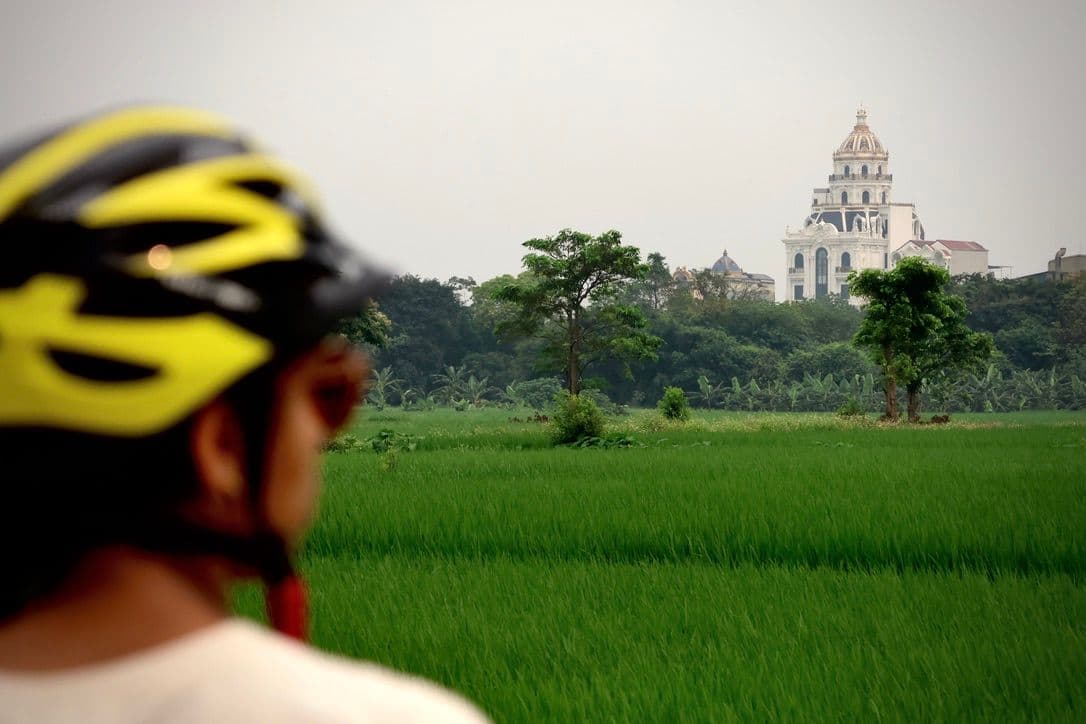
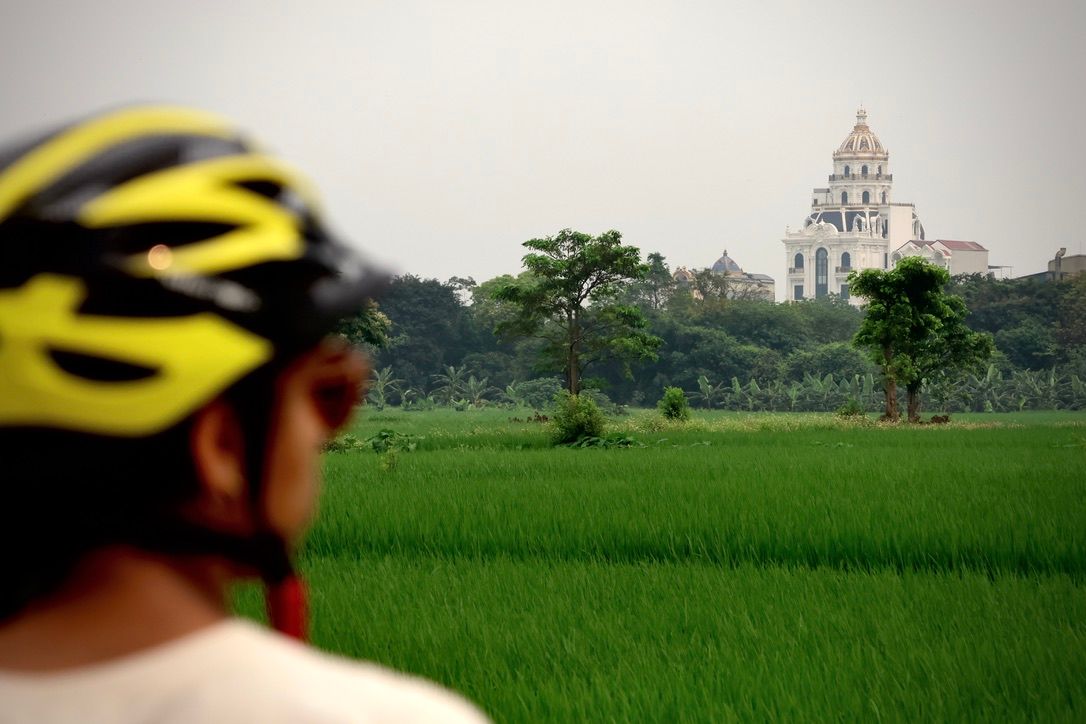
The best way to discover somewhere like Hanoi is to take a tour with a local guide, which we did twice - once on the back of a Vespa, and then again on a cycle tour. The cycle tour took us out of the city and through surrounding rice paddies. Here we stopped to look out over the fields, and at the imposing private home built to look over them.
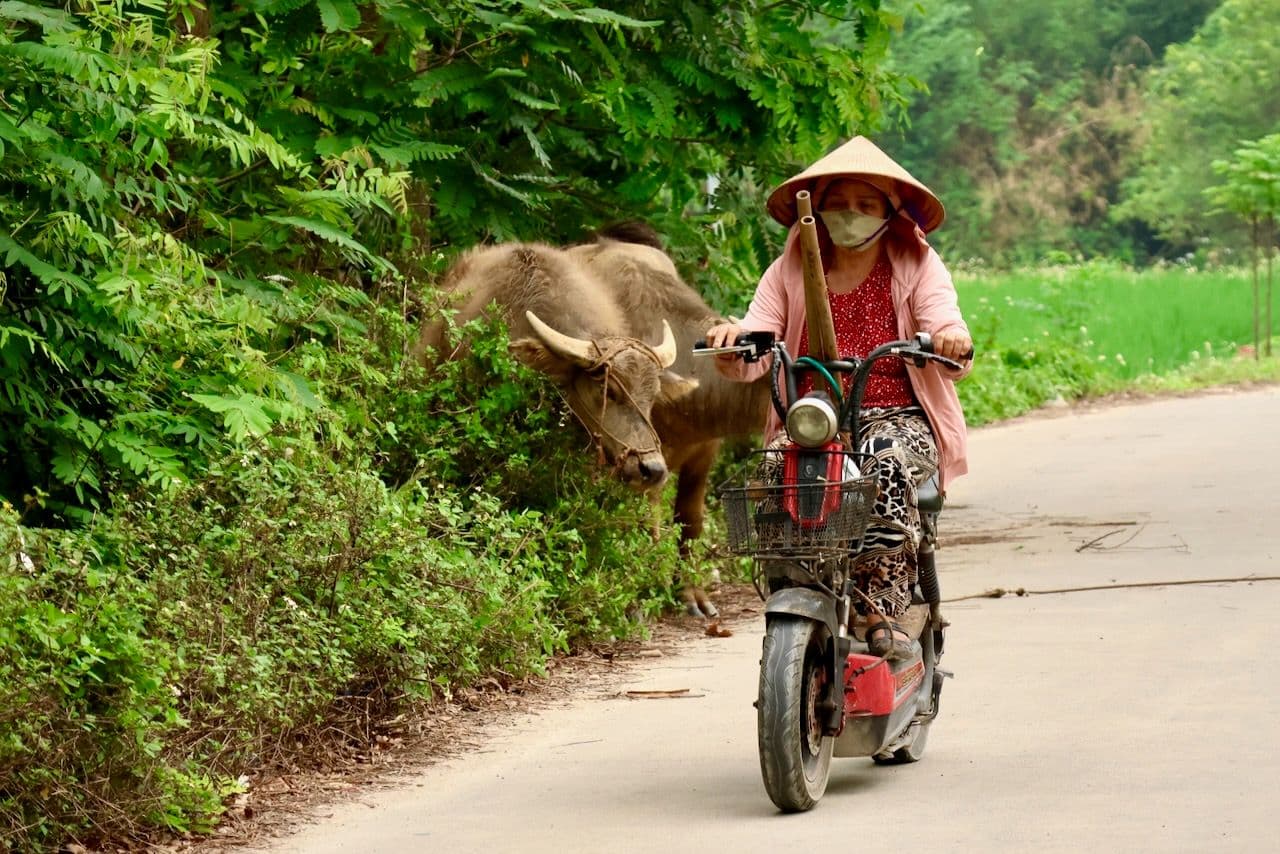
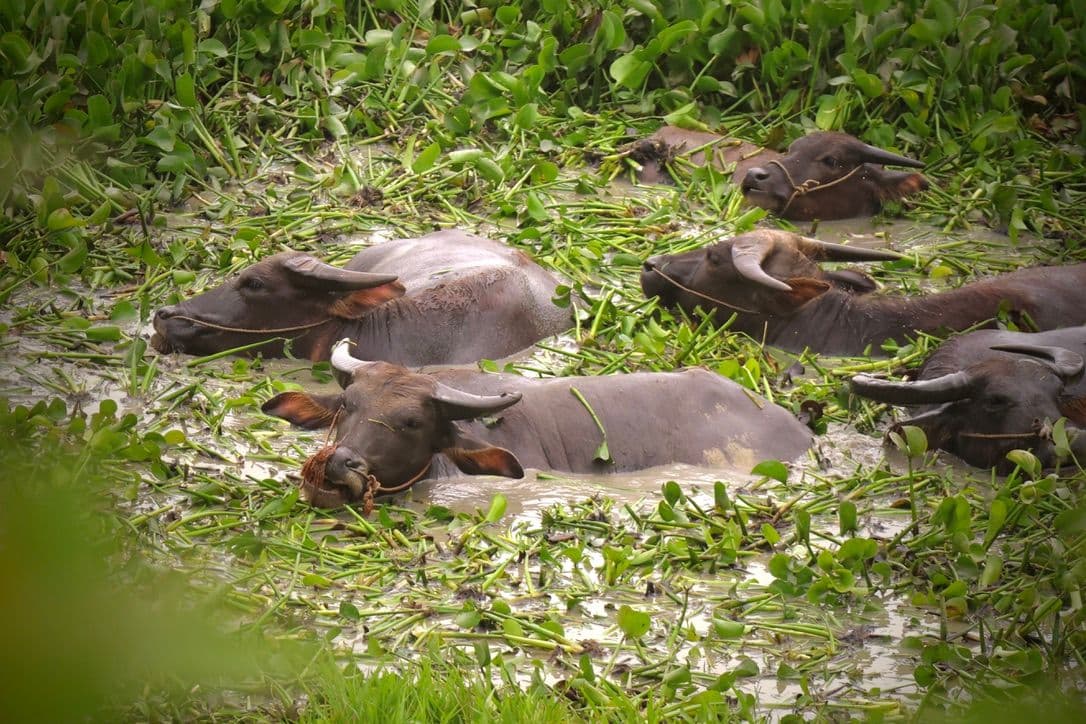
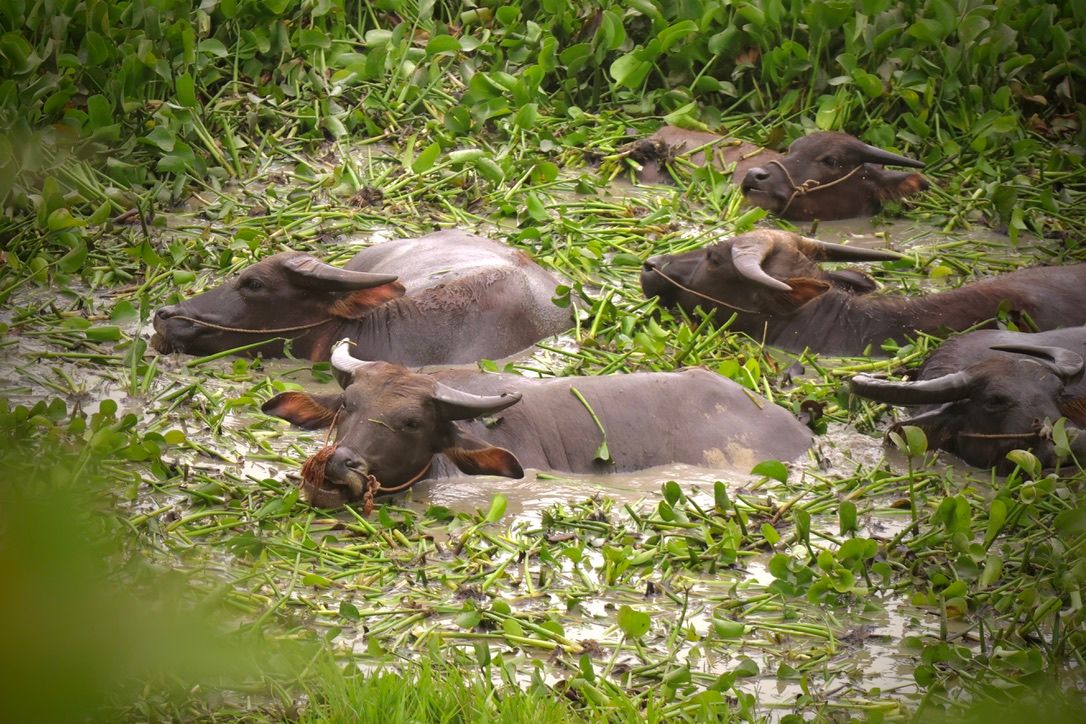
Along the way we spotted water buffalo. These used to be critical to agriculture in Vietnam, but are now kept for their meat. Our guide told us that it used to be said that men had 3 priorities in life - to get a wife, to get a water buffalo, and to get a house - in that order. The buffalo stay in the water to keep cool and to ward off flies.
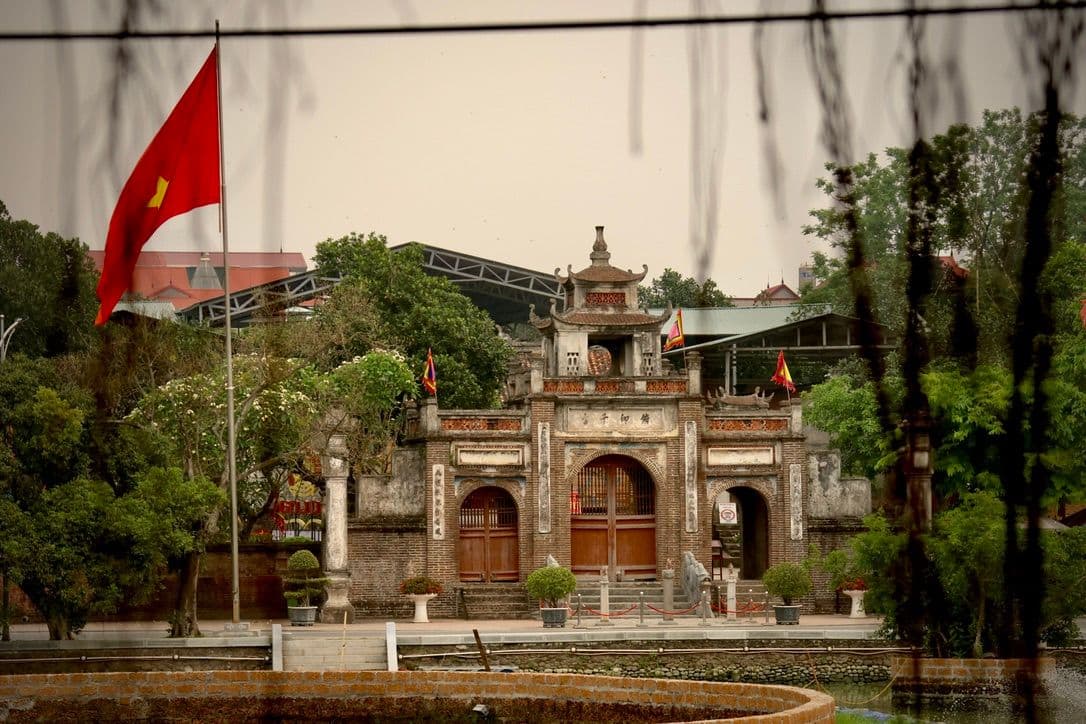
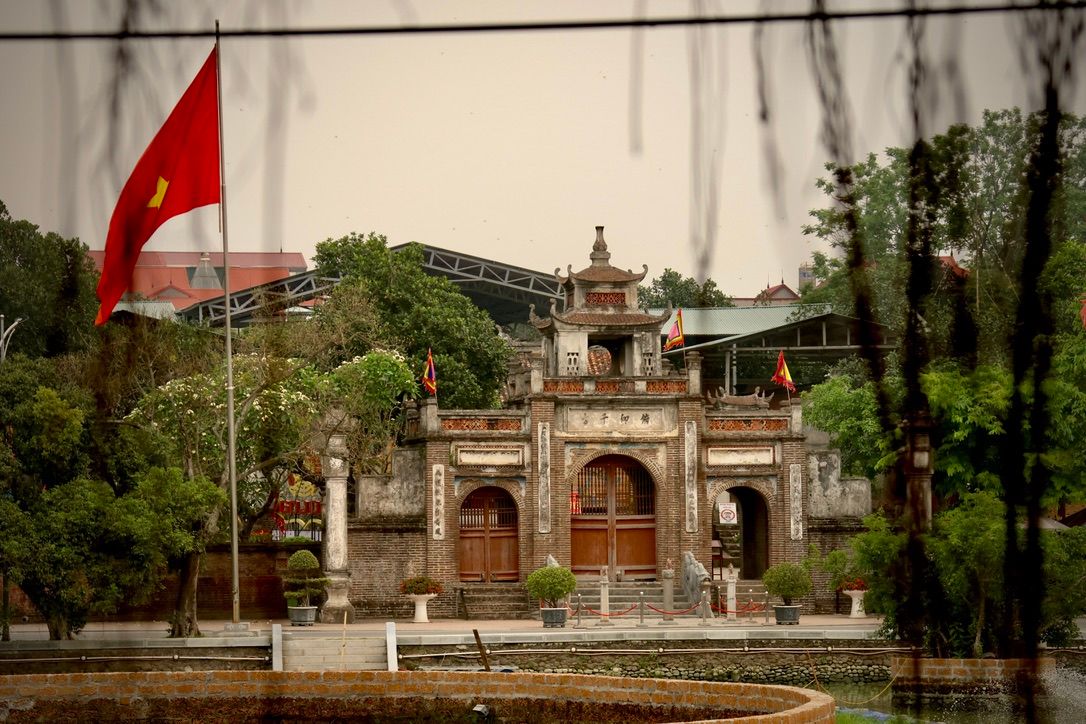
The tour took us to Cổ Loa Citadel, an ancient fortress built around 250 BC. The citadel is designed with concentric ramparts and moats that, from above, resemble a snail’s shell. According to legend, each attempt to build the citadel failed until a Golden Turtle spirit appeared in the king’s dream and guided him to the present location.
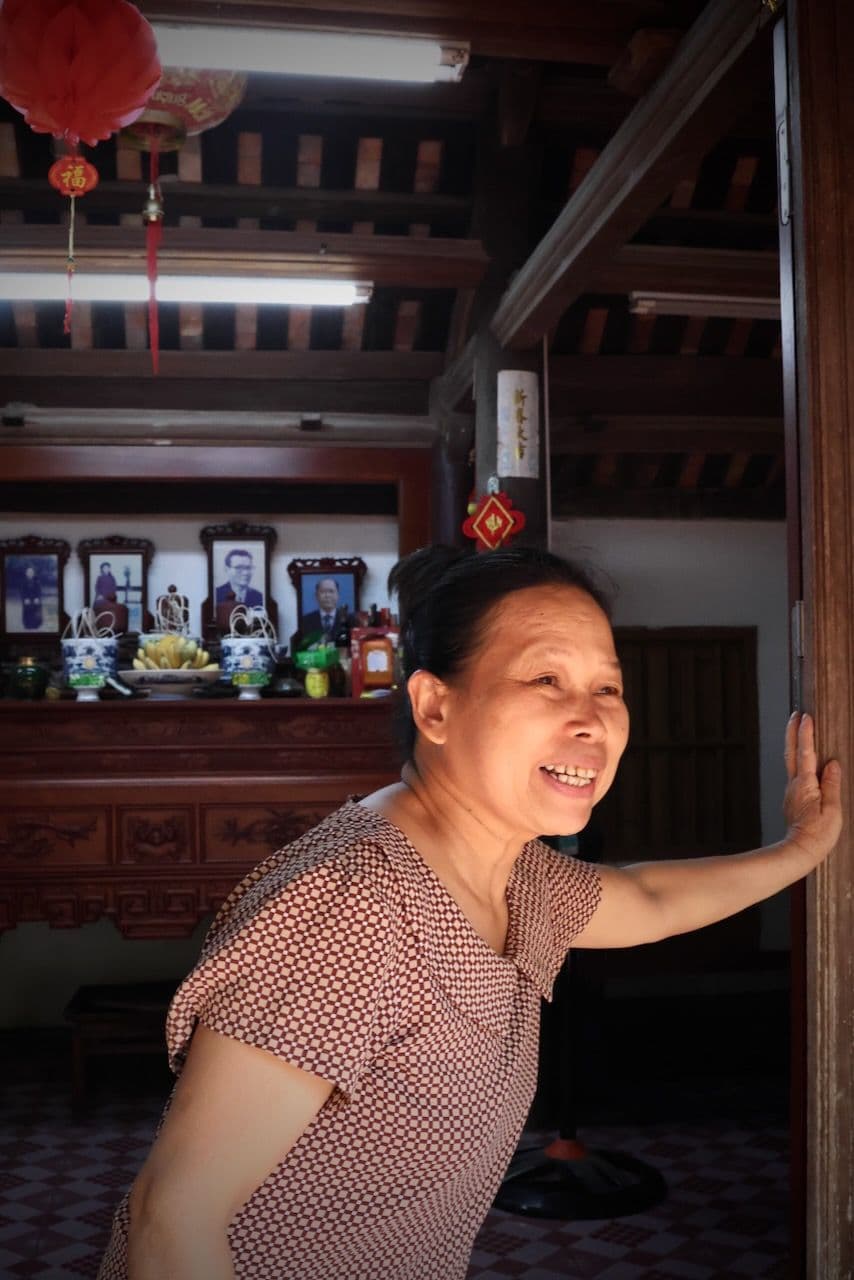
We took a break from the tour by sharing tea with a local villager. She also gave us jicama, a root vegetable chopped into sticks and eaten raw, with a slightly sweet and nutty flavour.
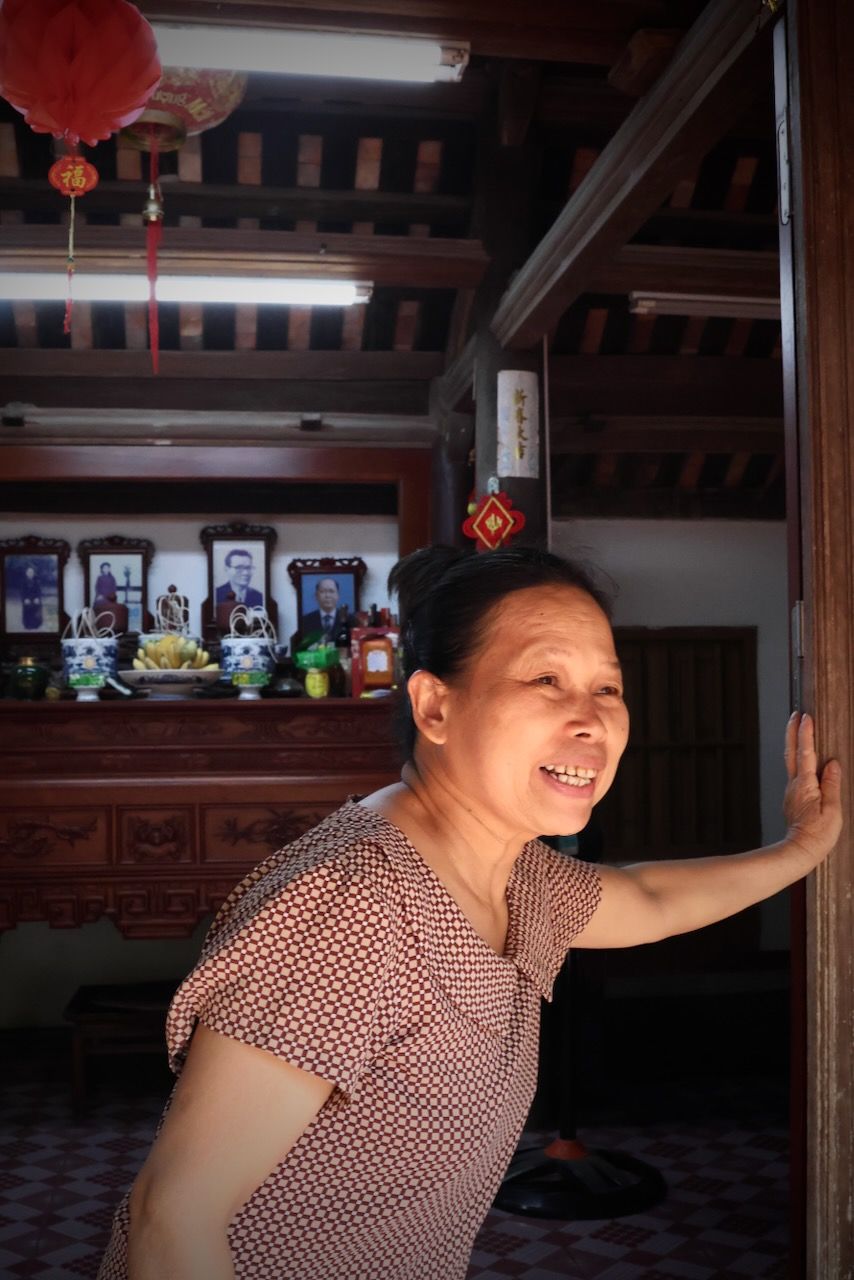
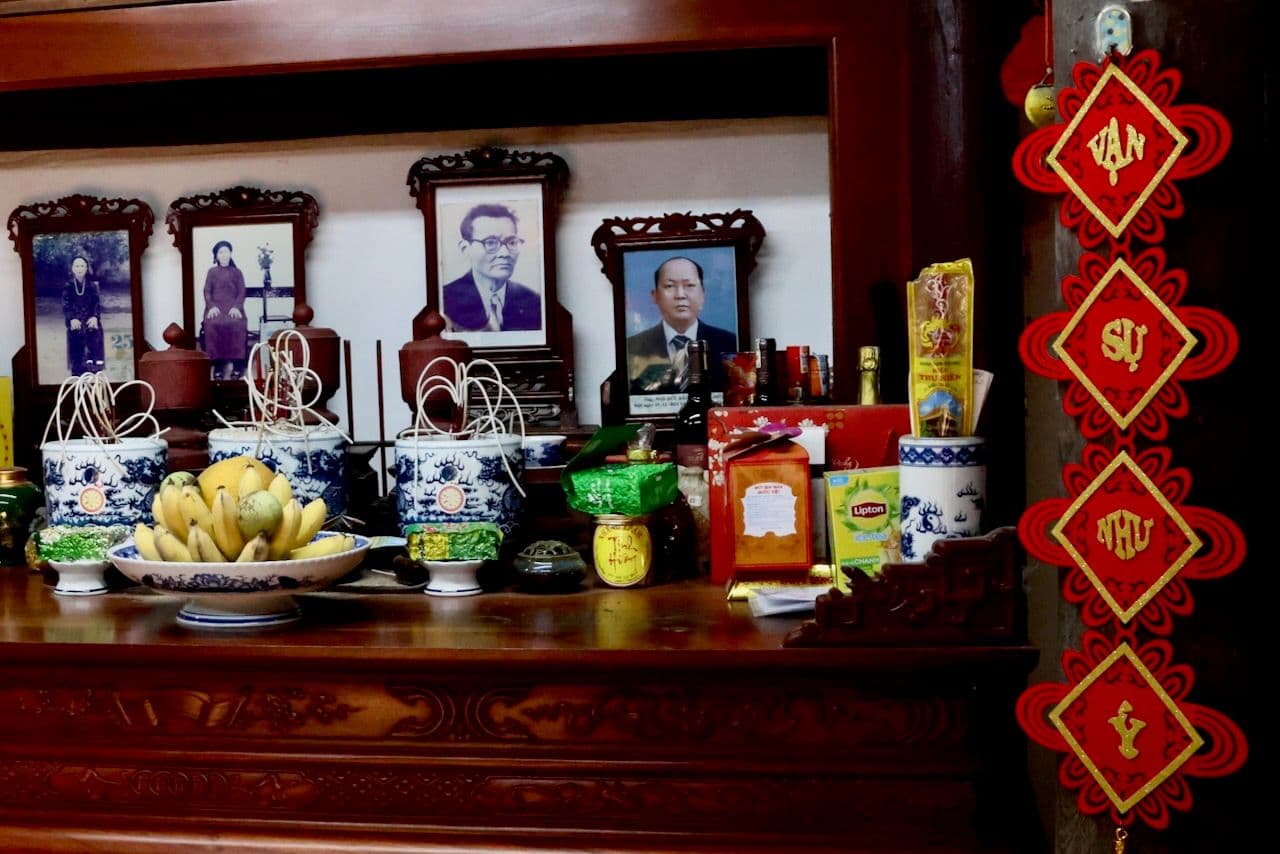
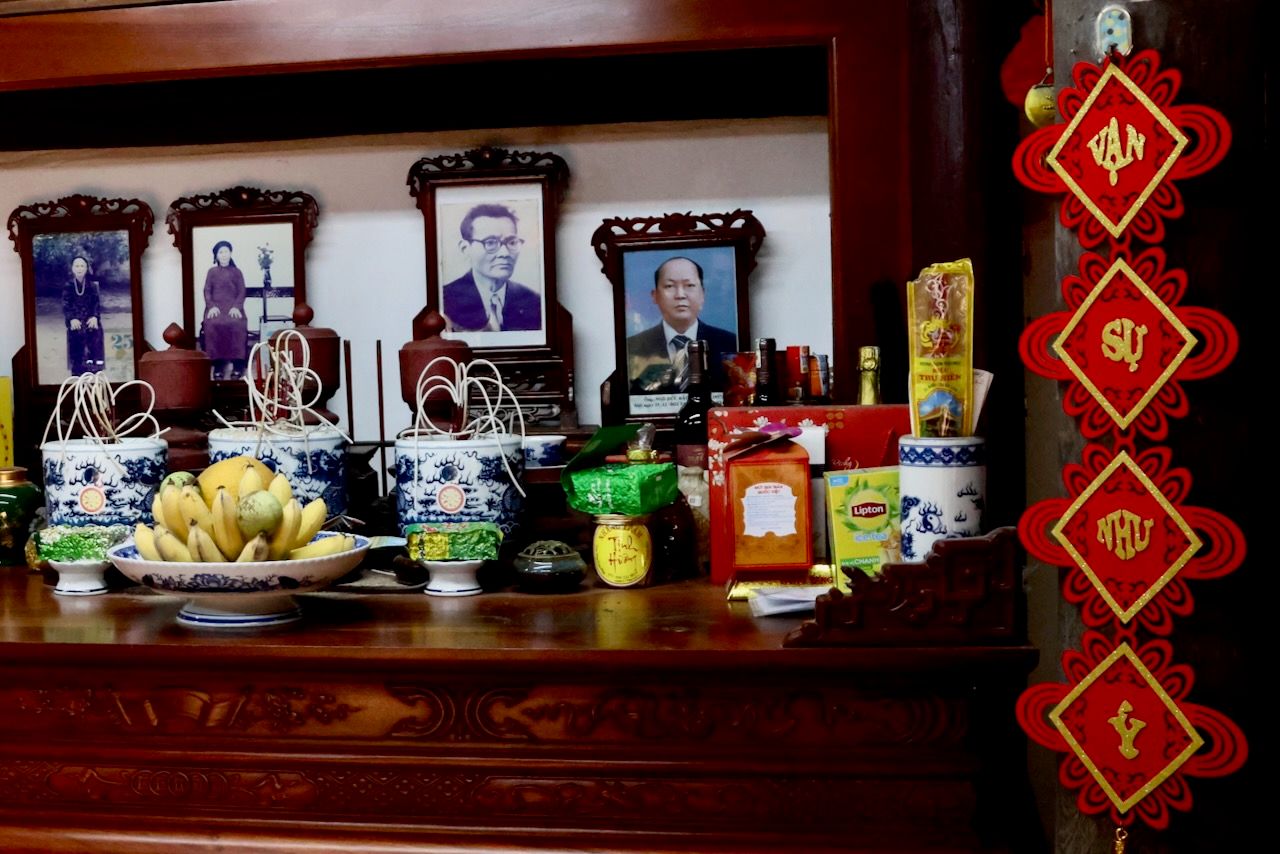
She showed us her family tree, which stretched back over 20 generations to the 15th century. We saw her family's ancestral altar, where their ancestors are pictured and honoured with food offerings and incense twice a month. The food offered usually includes fresh fruits, but more recently can include branded snacks and even cans of beer.
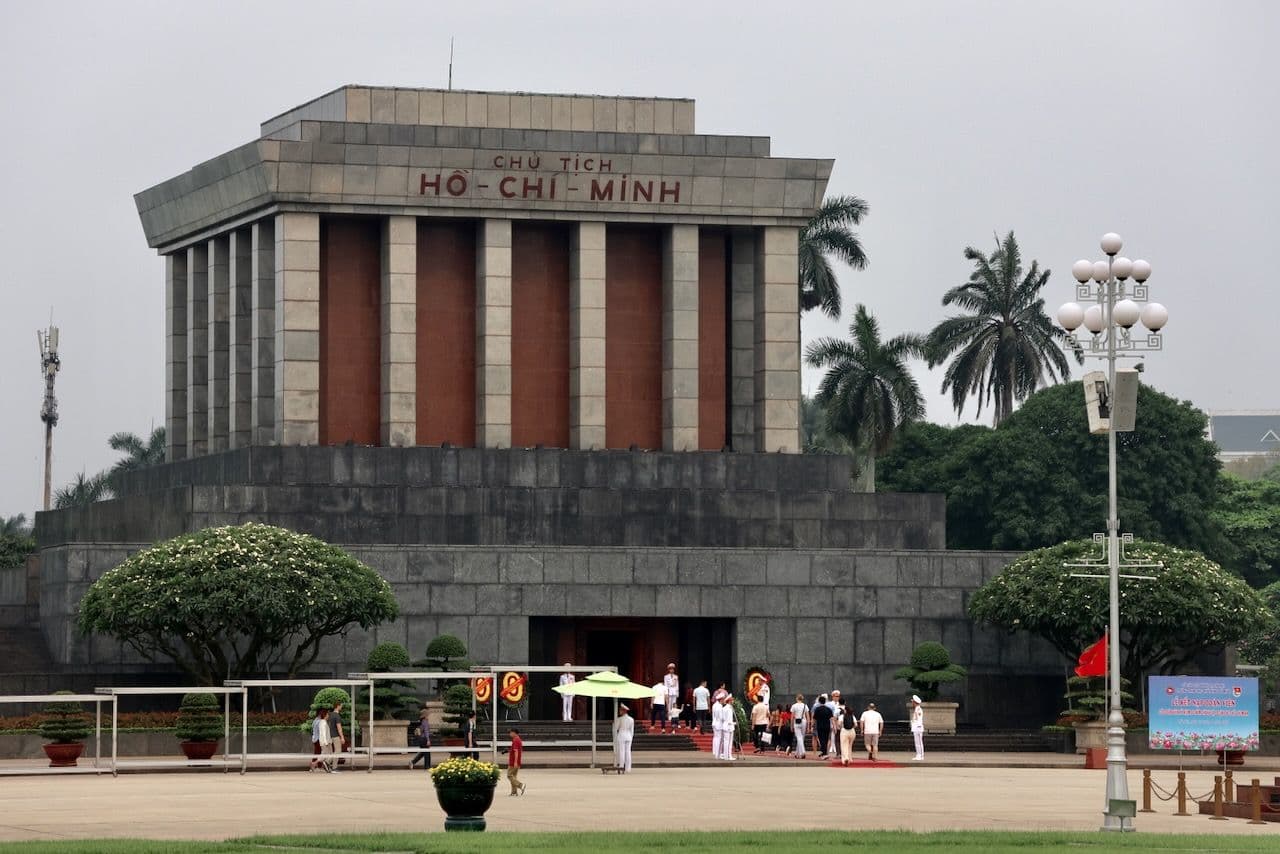
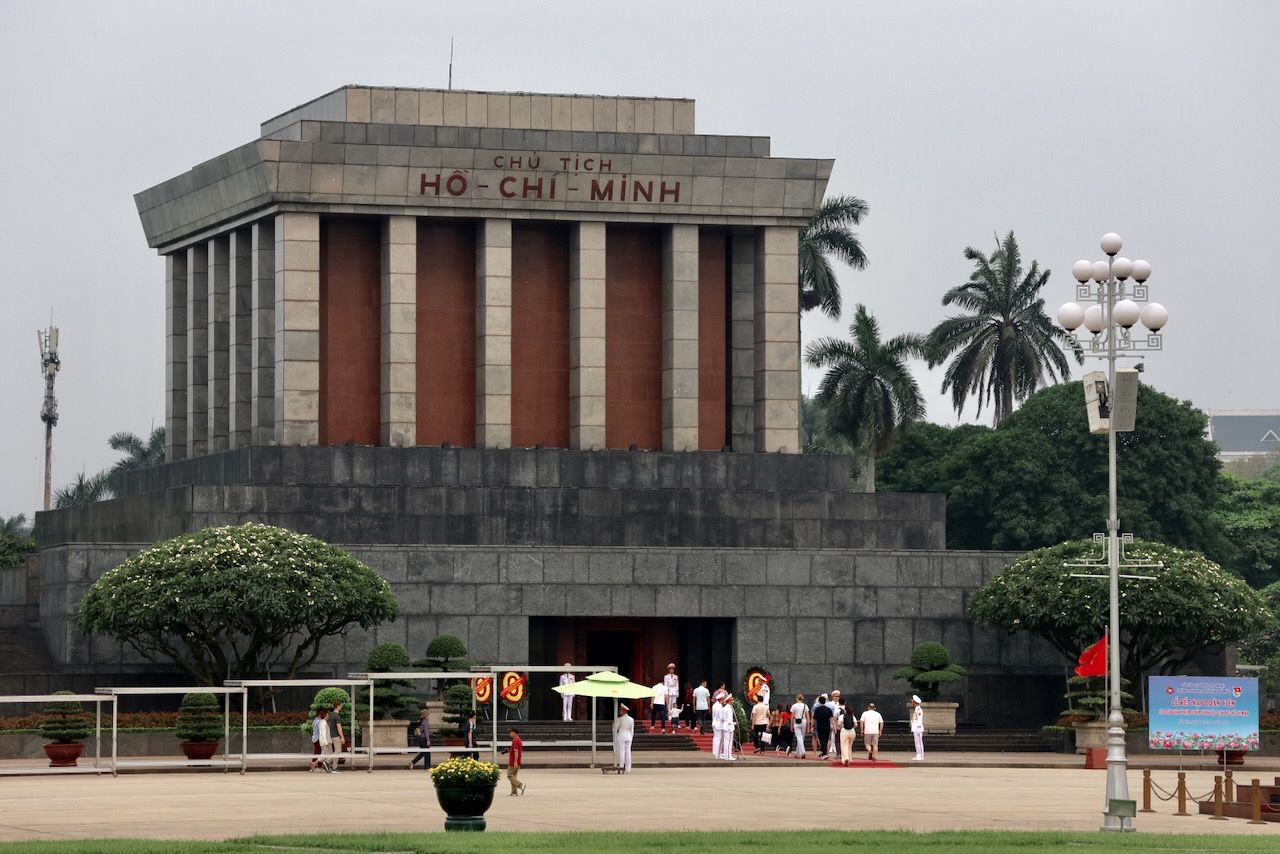
The next day we visited Ho Chi Minh's Mausoleum, where the embalmed body of the former leader is on display. The mausoleum is a solemn place, and visitors are expected to dress respectfully and maintain silence. Observing his body, surrounded by guards dressed in white, and thinking about the impact he had on Vietnam, was a unique and thought-provoking experience.
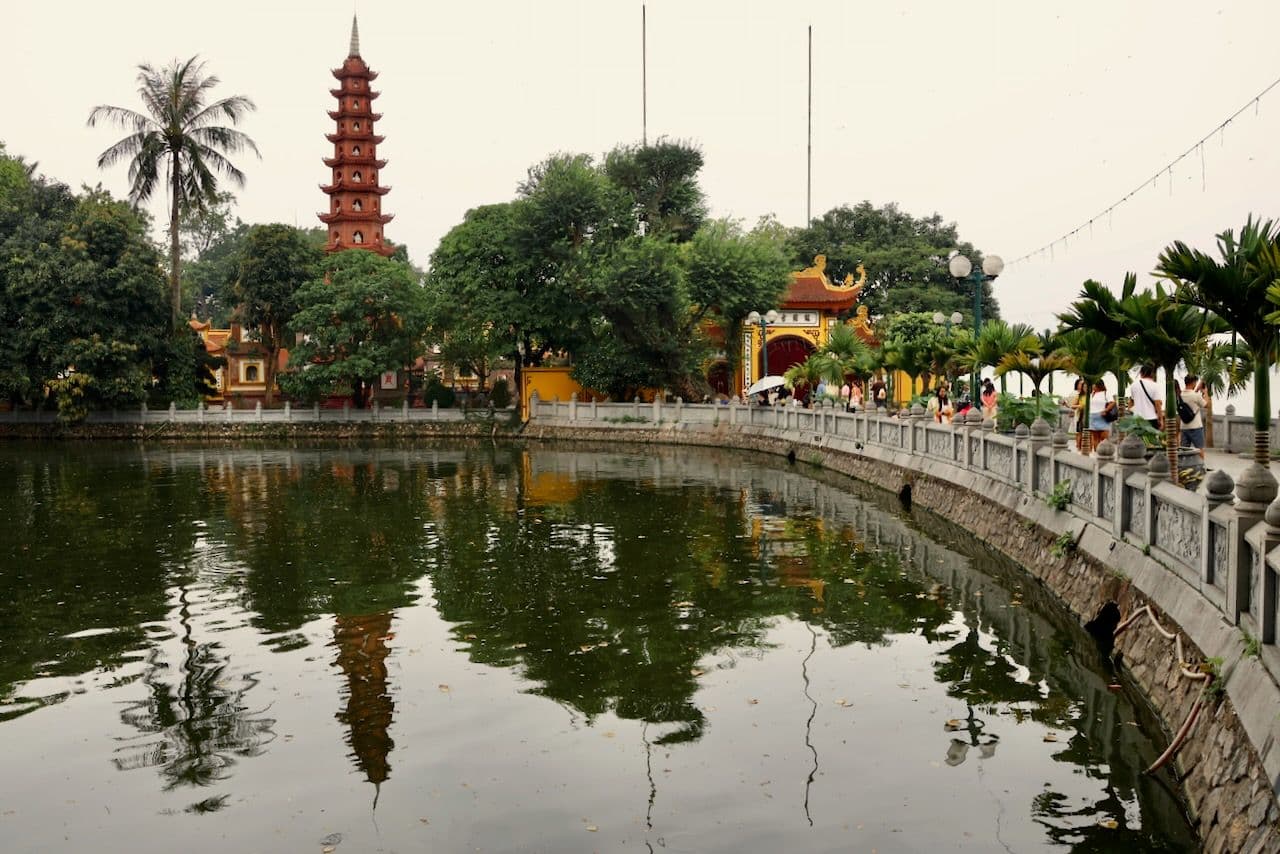
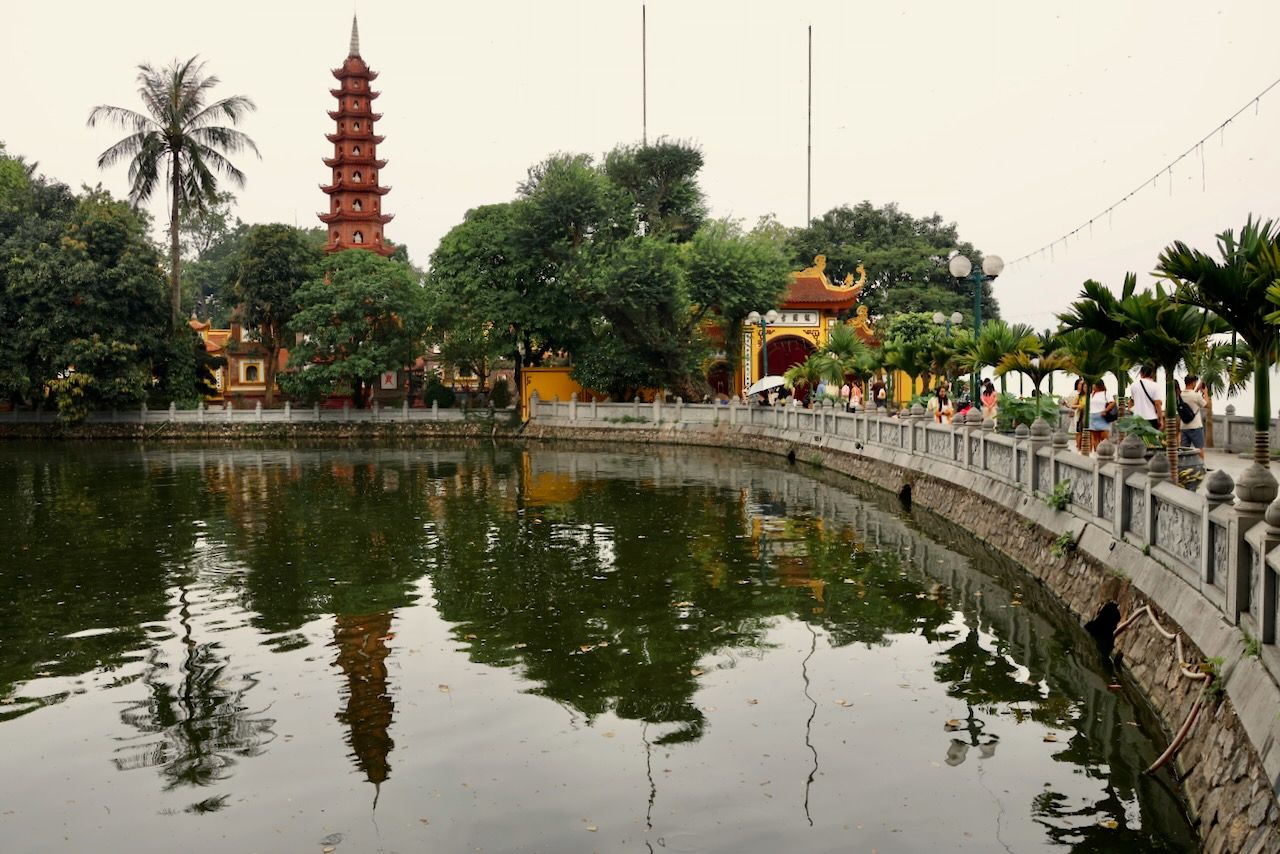
A short walk north of the mausoleum is Ho Tay (West Lake), which is the largest lake in Hanoi. Beside the lake is the Tran Quoc Pagoda, which is the oldest Buddhist temple in Hanoi, dating back to the 6th century. While we couldn't access the pagoda, it was still a beautiful sight and I enjoyed the curved walkway that led your eye around the water to the pagoda itself.
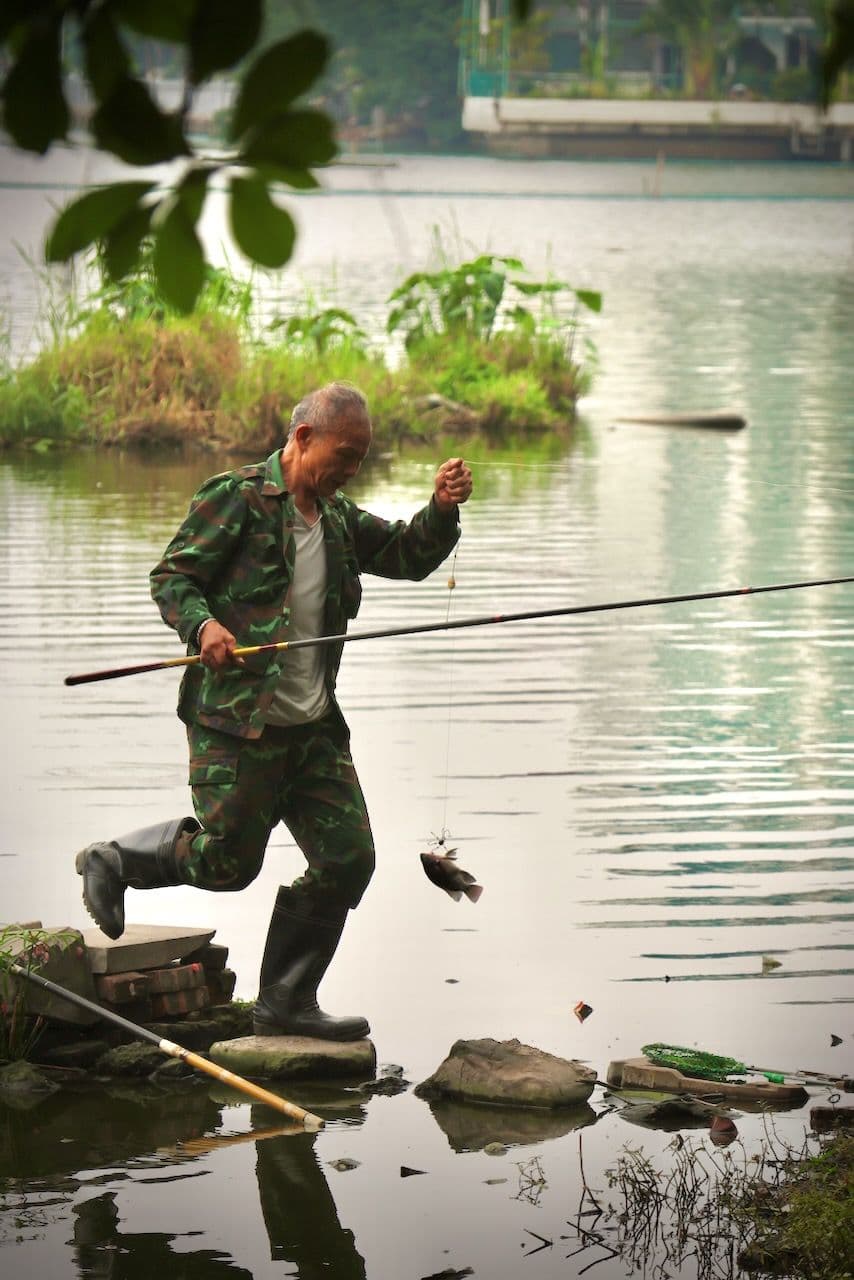
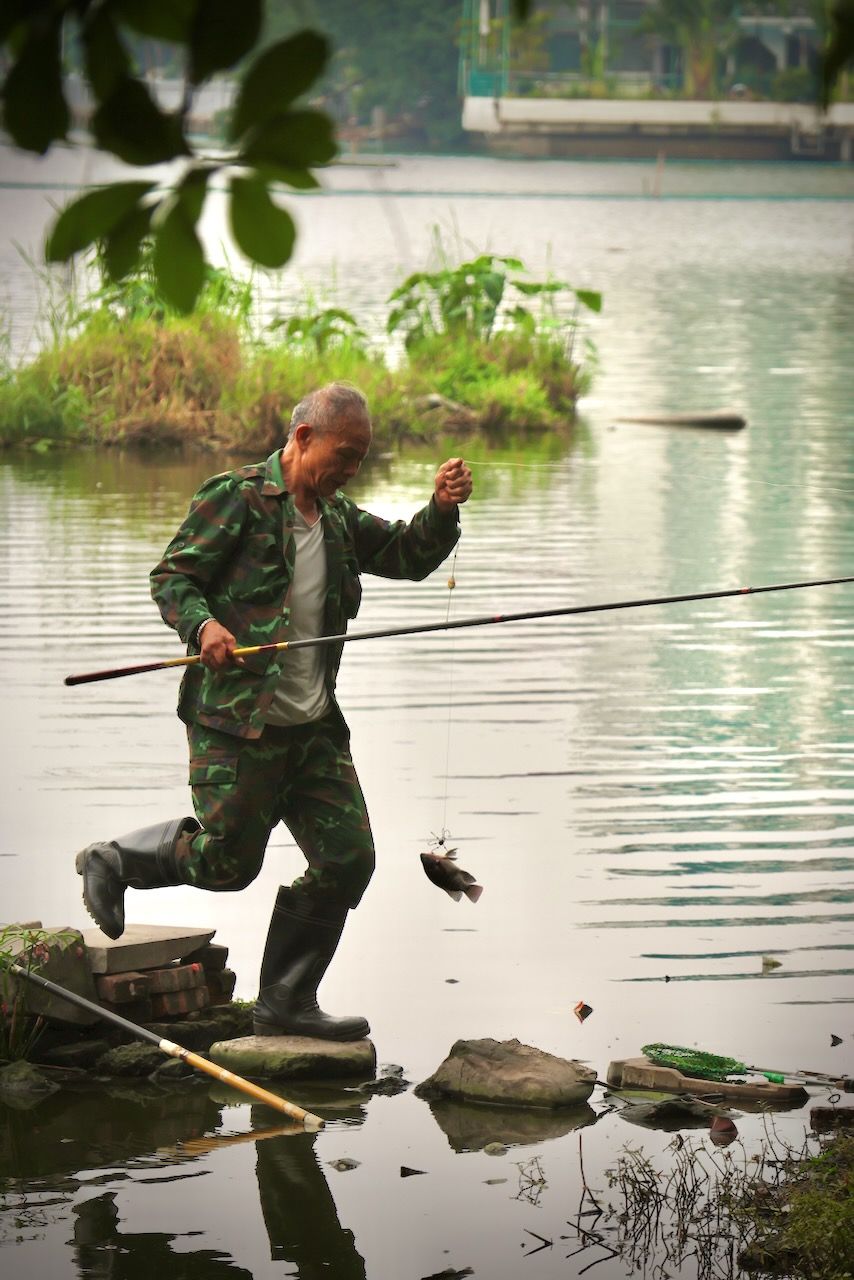
While searching the north side of the lake for a cafe, we saw a local man fishing and just happened to snap the moment he reeled in a catch.
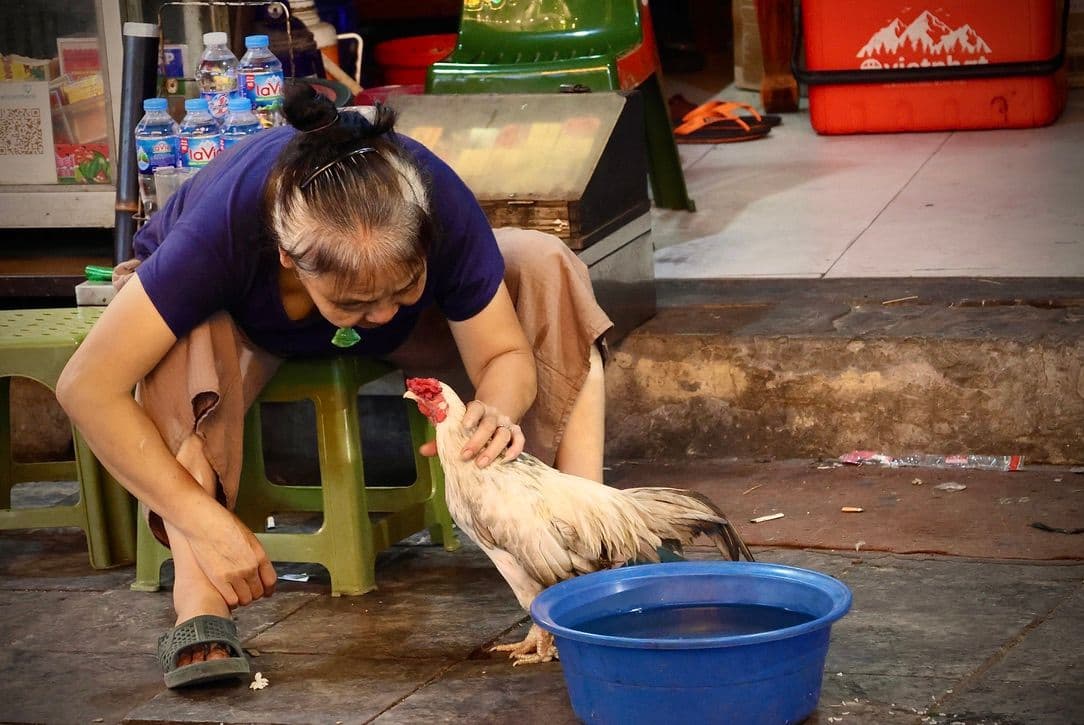
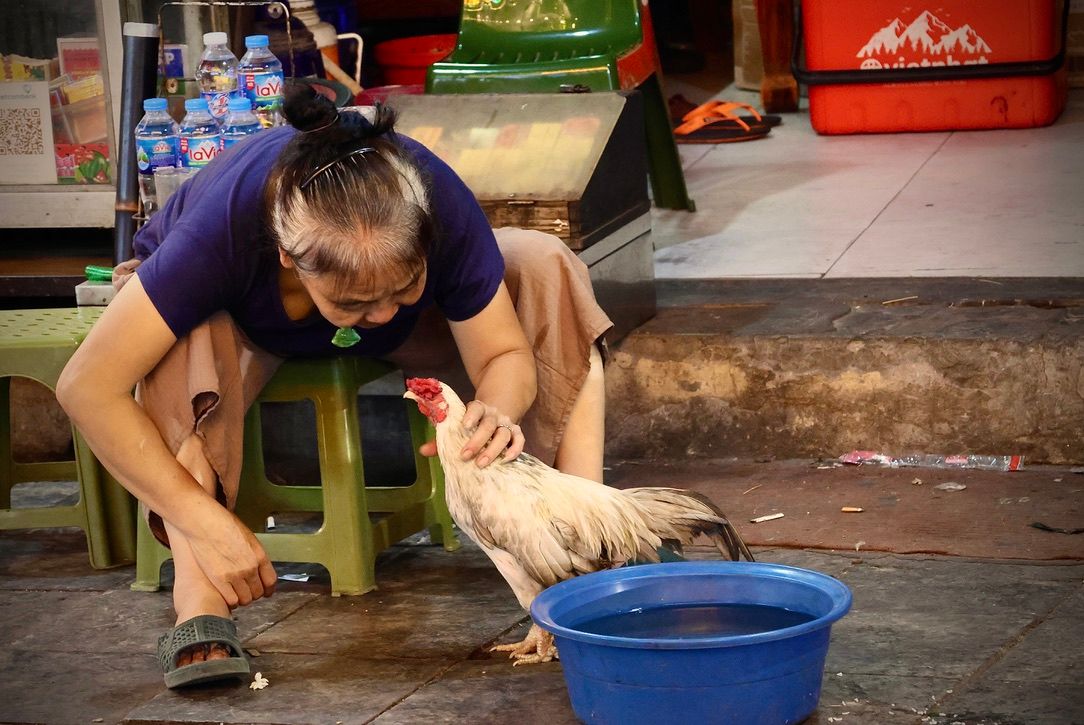
It's interesting to observe peoples' relationships with animals in somewhere like Hanoi. While chicken is the second most popular meat in Vietnam (after pork), I was surprised to see this lady stroking what appeared to be her pet chicken.
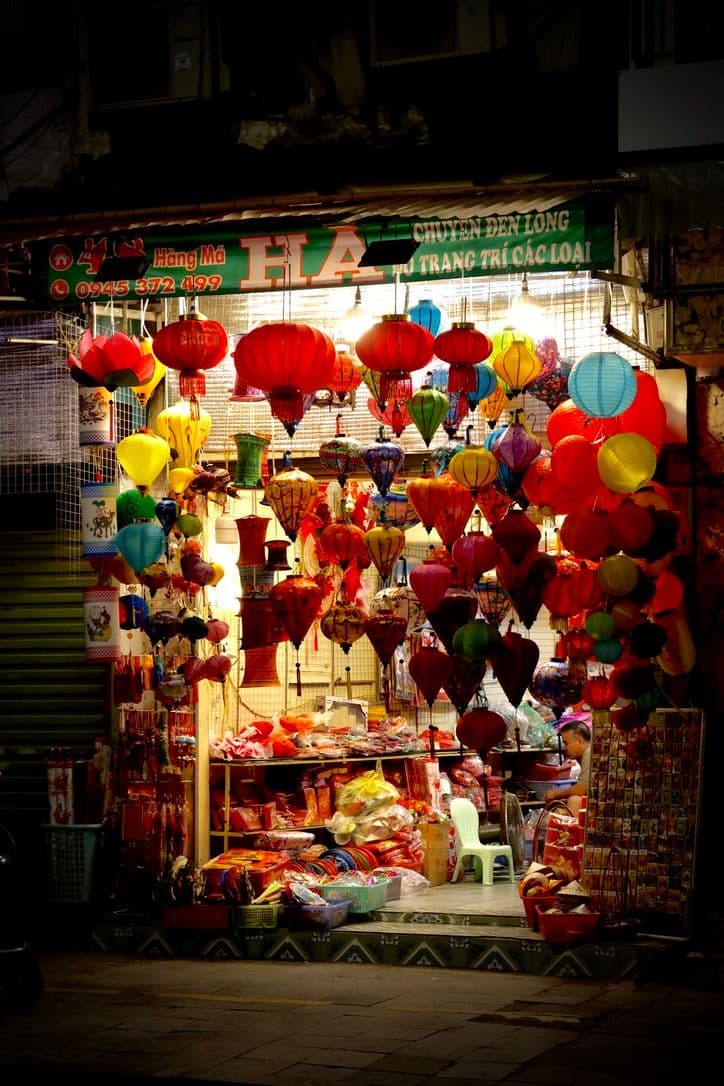
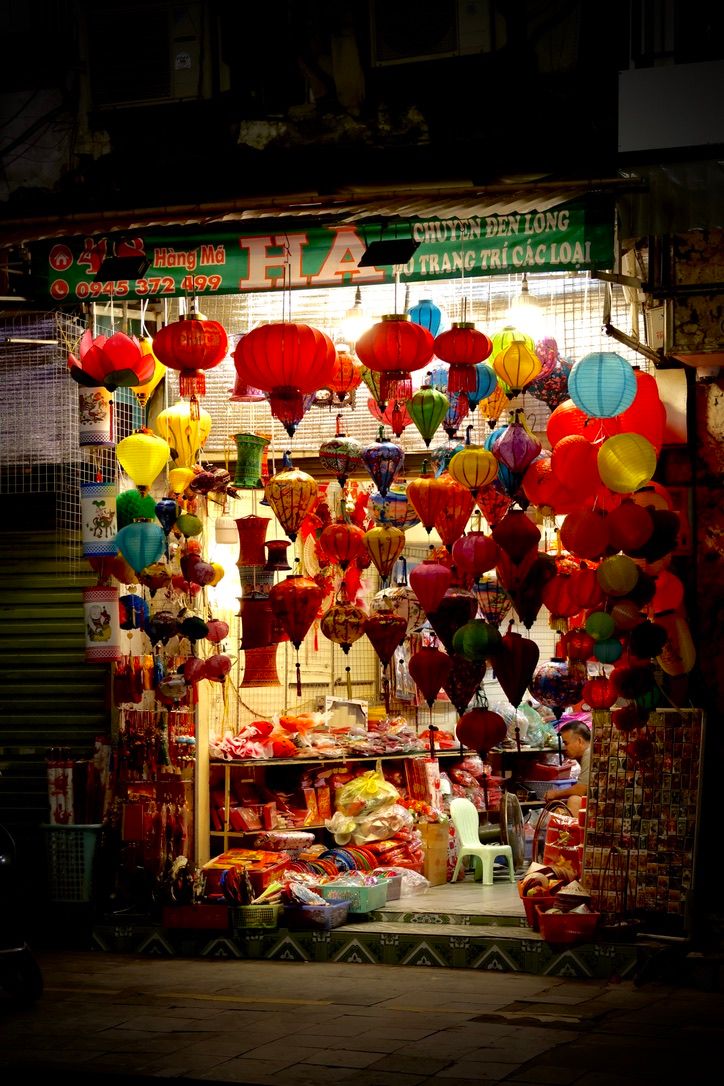
We finished the day with a stroll around Hanoi's Old Quarter, also known as the 36 Streets. This area is a maze of narrow streets, each traditionally dedicated to a specific trade or craft, with many streets named after the goods that were sold there. Hàng Mã street is known for its vibrant paper goods, including lanterns, which provide dazzling and colourful displays at night.
I highly recommend finding a local guide to show you around a city like Hanoi. If you enjoyed this post, or have any questions or comments - head over to the "Get in Touch" page and drop me a message!
Stay in the loop
Want to see future posts?
Drop your email and I'll send you a note whenever I publish something new.
Post Gallery